Are you tired of tossing out your favorite face creams because they go bad too quickly? You’re not alone.
Many people don’t realize that how you store your skincare products can make a huge difference in how long they last. Imagine getting the most out of every jar or tube, saving money, and keeping your skin healthy at the same time.
You’ll discover simple, effective tips to extend the life of your face creams. Keep reading to learn how easy it is to protect your skincare investment and enjoy fresher, more effective products every day.
:max_bytes(150000):strip_icc()/skincareproductexpiration-8d18f7f8d74f407ea6638b52d9452d2d.png)
Credit: www.byrdie.com
Choose The Right Container
Choosing the right container for face creams is very important. The container protects the cream from air, light, and germs. This keeps the cream fresh and effective for a longer time. A good container also makes the cream easy to use without wasting it. Pick containers that help maintain the cream’s quality and safety.
Opt For Air-tight Packaging
Air-tight containers stop air from entering. This prevents the cream from drying out or breaking down. Pumps and squeeze tubes are great options. They reduce contact with air and germs. Avoid jars that let air in every time you open them.
Avoid Transparent Containers
Clear containers let sunlight reach the cream. Sunlight can cause the cream to spoil faster. Choose containers made from opaque or dark materials. These block light and keep the cream stable. This helps keep the active ingredients safe and effective.
Maintain Ideal Temperature
Maintaining the ideal temperature is key to keeping face creams fresh and effective. Heat can break down the ingredients, making the cream less useful. Cooling slows down this process, helping the product last longer. Knowing where and how to store your cream protects its quality and skin benefits.
Store In A Cool Place
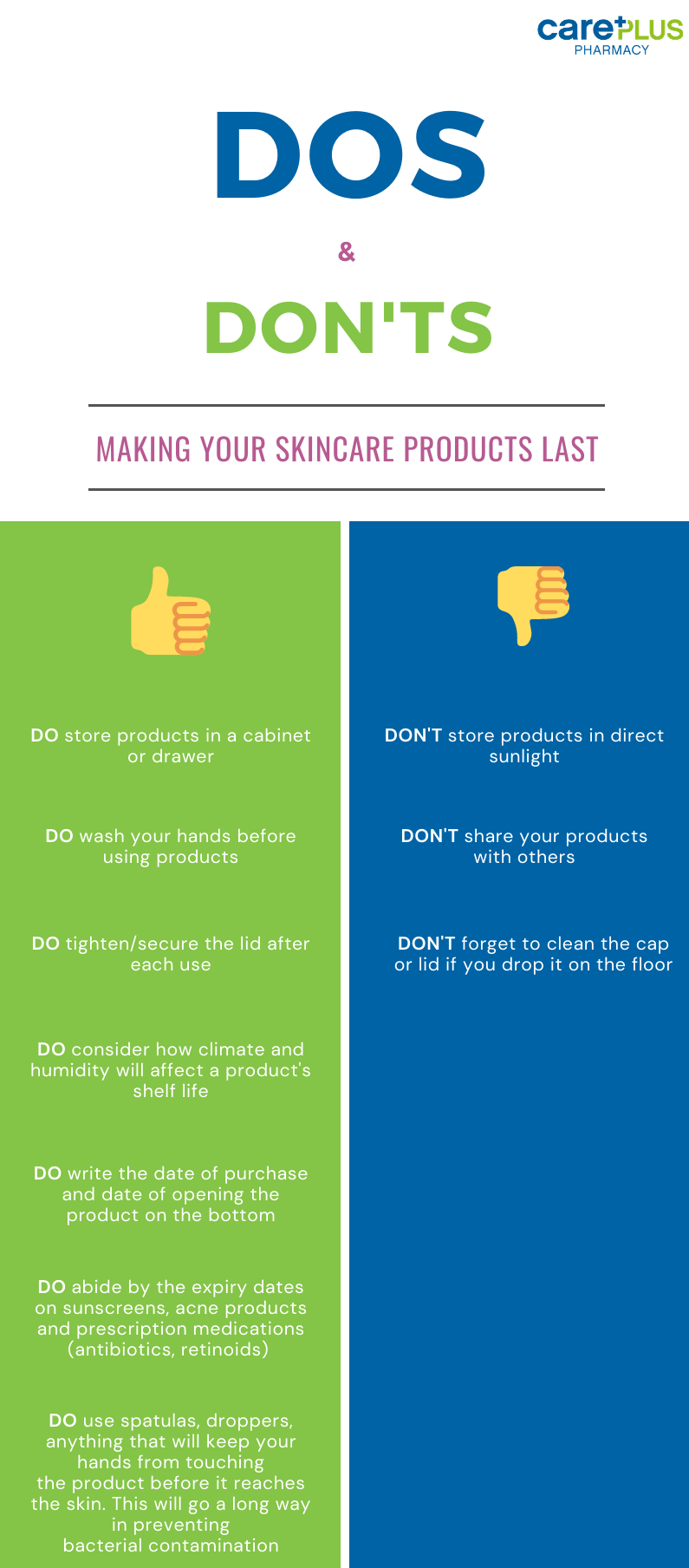
Keep face creams in a cool spot away from warm rooms. A bathroom cabinet or bedroom drawer works well. Avoid places near heaters or appliances that produce heat. Cooler temperatures slow the breakdown of active ingredients. This helps the cream stay fresh and safe for your skin.
Avoid Heat And Sunlight Exposure
Direct sunlight damages face creams quickly. UV rays change the formula and reduce effectiveness. Do not leave creams on windowsills or near bright lights. Heat speeds up chemical changes, causing creams to spoil. Store creams in a dark, shaded area to keep them stable.
Control Humidity Levels
Humidity can harm face creams. It can change their texture and reduce their effectiveness. Keeping humidity low helps creams last longer and stay fresh.
Moisture can cause creams to spoil faster. It may also encourage bacteria growth. Controlling humidity is a smart way to protect your skincare products.
Keep Away From Bathrooms
Bathrooms often have high humidity. Hot showers create steam that settles on products. This moisture can break down face creams quickly.
Store creams in a dry place outside the bathroom. A bedroom drawer or cabinet is a better option. This reduces exposure to moisture and keeps creams stable.
Use Silica Gel Packs
Silica gel packs absorb extra moisture. They help keep the air around your creams dry. Place a pack inside your cream container or storage box.
These small packs are inexpensive and easy to find. They protect creams from humidity damage. Replace them every few months for best results.
Prevent Contamination
Preventing contamination is key to keeping face creams fresh and safe. Germs and bacteria can spoil the cream and irritate your skin. Simple habits help avoid this problem. Follow these tips to keep your face cream clean and effective for longer.
Use Clean Hands Or Tools
Always wash your hands before touching your face cream. Dirty hands carry bacteria and dirt. Using a clean spatula or spoon is even better. This stops germs from getting into the cream. Clean tools are easy to wash and keep separate from other items.
Avoid Double Dipping
Never dip your fingers or tools back into the jar after touching your skin. Double dipping spreads bacteria inside the cream. Use a fresh scoop or spatula every time. This small step helps keep the cream pure and safe for your skin.
Seal Creams Properly
Proper sealing of face creams is key to keeping them fresh and effective. Air and bacteria can spoil creams quickly. Sealing creams well helps stop these elements from getting inside.
Always make sure to seal your creams right after use. This simple step can extend their shelf life significantly. A good seal keeps moisture and dirt away, protecting your cream’s quality.
Close Lids Tightly After Use
Always close the lid tightly after using your face cream. A loose lid lets air and germs enter the container. This can cause the cream to dry out or spoil.
Press the lid firmly until you hear a click or feel it lock. Check the lid before storing the cream to ensure it is secure. This small habit helps maintain the cream’s texture and scent.
Use Protective Inner Seals
Many creams come with an inner seal under the lid. Keep this seal in place until you first open the cream. It acts as a barrier against air and bacteria.
If your cream does not have a seal, consider transferring it to a container that does. Inner seals reduce contamination and keep the product fresh. Always remove the seal carefully to avoid spills and keep your cream clean.
:max_bytes(150000):strip_icc()/makeup-expiration-dates-1-1-02e81c0678f34ca59f5e0f5bfee87232.jpg)
Credit: www.realsimple.com
Monitor Expiry And Changes
Monitoring the expiry and changes in your face creams is key to keeping your skin safe. Creams can lose their effectiveness or even cause irritation if used past their prime. Regularly checking the product helps you avoid these problems and keeps your skincare routine healthy.
Check For Discoloration Or Smell
Watch for any changes in color. Creams that turn yellow, dark, or look different may be spoiled. A bad or sour smell also signals the cream has gone bad. Never use creams that have changed in color or smell. These signs mean the product is no longer safe for your skin.
Note Expiration Dates
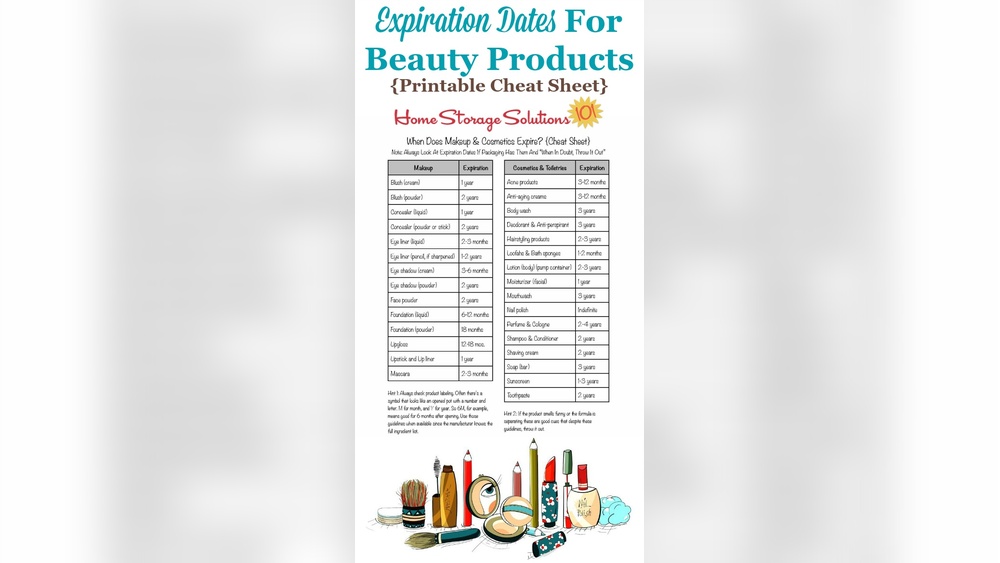
Always look at the expiration date on the packaging. This date tells you how long the cream stays good. Use the cream before the date passes to get the best results. If you don’t see a date, note when you opened it. Most creams last about six to twelve months after opening. Mark this date on your calendar or phone for easy tracking.
Consider Refrigeration
Storing face creams properly helps keep them fresh and effective longer. One simple way to extend their shelf life is by using refrigeration. Cooling slows down the breakdown of active ingredients and prevents bacteria growth.
Many people do not realize that some face creams benefit from being kept cool. This method works especially well for natural or preservative-free products. It also keeps the texture smooth and pleasant to apply.
Benefits Of Cooling
Refrigeration keeps face creams stable for longer periods. It slows chemical reactions that cause creams to spoil. Cooling also reduces the chance of mold and bacteria forming.
Stored in the fridge, creams maintain their scent and color better. The cool temperature helps maintain the cream’s original feel. It can also soothe the skin when applied cold, reducing puffiness.
Which Creams To Refrigerate
Natural and organic creams without strong preservatives do well in the fridge. Products with ingredients like vitamin C, aloe vera, or collagen benefit from cooling.
Eye creams and gels often last longer when kept cold. Thick creams can stay fresh and avoid separating when refrigerated. Avoid refrigerating creams with oils that might harden and lose texture.
Credit: www.careplus.ie
Frequently Asked Questions
How Can Temperature Affect Face Cream Shelf Life?
Storing face creams in a cool, stable temperature preserves their ingredients. Heat causes breakdown, reducing effectiveness and shelf life. Avoid keeping creams in bathrooms or near heaters for longer freshness.
Should Face Creams Be Kept In The Refrigerator?
Refrigerating some face creams can extend their shelf life by slowing ingredient degradation. However, check product labels first, as some formulations may thicken or separate when cold.
Why Avoid Exposure To Sunlight For Face Creams?
Sunlight causes oxidation and breaks down active ingredients in face creams. Store creams in dark, opaque containers away from direct sunlight to maintain potency and extend shelf life.
Is It Important To Close Face Cream Containers Tightly?
Yes, tightly sealing face cream containers prevents air and bacteria exposure. This minimizes contamination and ingredient oxidation, helping creams stay fresh and effective longer.
Conclusion
Storing face creams properly helps them last longer and stay fresh. Keep creams away from heat and sunlight. Always close the lid tightly after use. Use clean hands or tools to avoid contamination. Store creams in cool, dry places like a drawer or cabinet.
Following these steps protects your skin and saves money. Small actions make a big difference in cream quality. Take care of your face creams, and they will take care of you. Simple habits keep your skincare safe and effective.