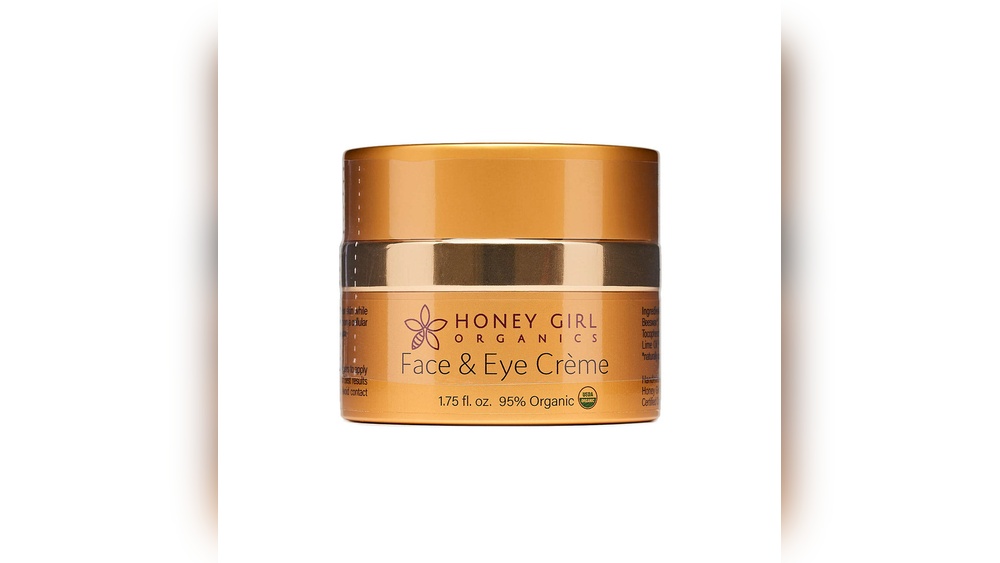
Are you wondering if natural and organic face creams really work better for your skin? You’re not alone.
With so many products out there, it’s easy to feel overwhelmed and unsure about what’s best for your face. Imagine using a cream that not only nourishes your skin but also feels safe and gentle every day. You’ll discover the truth behind natural and organic face creams—how they compare to regular products, what benefits they might bring, and whether they’re worth your investment.
Keep reading to find out how to make the best choice for your skin’s health and glow.
Natural Vs. Organic Face Creams
Natural and organic face creams often confuse buyers. Both promise safer, healthier skin care. Yet, they differ in ingredients and production methods. Understanding these differences helps choose the right product for your skin.
Key Differences
Natural face creams use ingredients from nature. They include plant oils, herbs, and minerals. These ingredients may be processed or mixed with synthetic ones.
Organic face creams use ingredients grown without chemicals. Farmers avoid pesticides and fertilizers. Organic products usually have fewer synthetic additives.
Natural creams focus on origin. Organic creams focus on farming methods and purity. Organic standards are stricter than natural claims.
Labeling And Certification
Natural labels are not regulated by law. Brands decide what “natural” means. This can confuse buyers and lead to misleading claims.
Organic products often carry certification logos. These come from third-party organizations. They confirm the product meets strict organic farming rules.
Look for USDA Organic or similar seals. These guarantee the cream contains mostly organic ingredients. Certification adds trust and transparency.

Credit: futnaskincare.com
Common Ingredients In Natural Creams
Natural face creams often stand out because of their unique ingredients. These ingredients come from plants and nature. They support skin health without harsh chemicals. Understanding these ingredients helps to see why many prefer natural creams.
Botanical Extracts
Botanical extracts come from plants. They offer vitamins and antioxidants for the skin. Common extracts include aloe vera, chamomile, and green tea. These ingredients soothe and protect the skin naturally. They may reduce redness and keep skin soft.
Essential Oils
Essential oils come from flowers, leaves, and fruits. Oils like lavender, tea tree, and rose are popular. They add fragrance and skin benefits. Some oils fight bacteria and calm irritation. Essential oils also help skin feel fresh and smooth.
Natural Preservatives
Natural creams need preservatives to stay fresh. These come from natural sources like grapefruit seed extract and vitamin E. They stop bacteria and mold from growing. These preservatives keep creams safe without harsh chemicals. This ensures creams last longer on your shelf.
Ingredients In Organic Face Creams
Organic face creams use ingredients from plants and natural sources. These creams avoid synthetic chemicals and artificial additives. The focus is on purity and safety for your skin. Understanding these ingredients helps you choose the right cream.
Certified Organic Components
Certified organic ingredients come from farms without pesticides or chemicals. They often include plant oils, extracts, and natural butters. Common examples are aloe vera, chamomile, and jojoba oil. Certification ensures the ingredients meet strict organic standards. This means they are grown and processed naturally.
Impact On Skin Health
Natural ingredients in organic creams nourish and soothe the skin. They can reduce irritation and dryness. Many contain antioxidants that protect skin from damage. These creams support skin’s natural balance and repair. They often suit sensitive skin better than synthetic products.
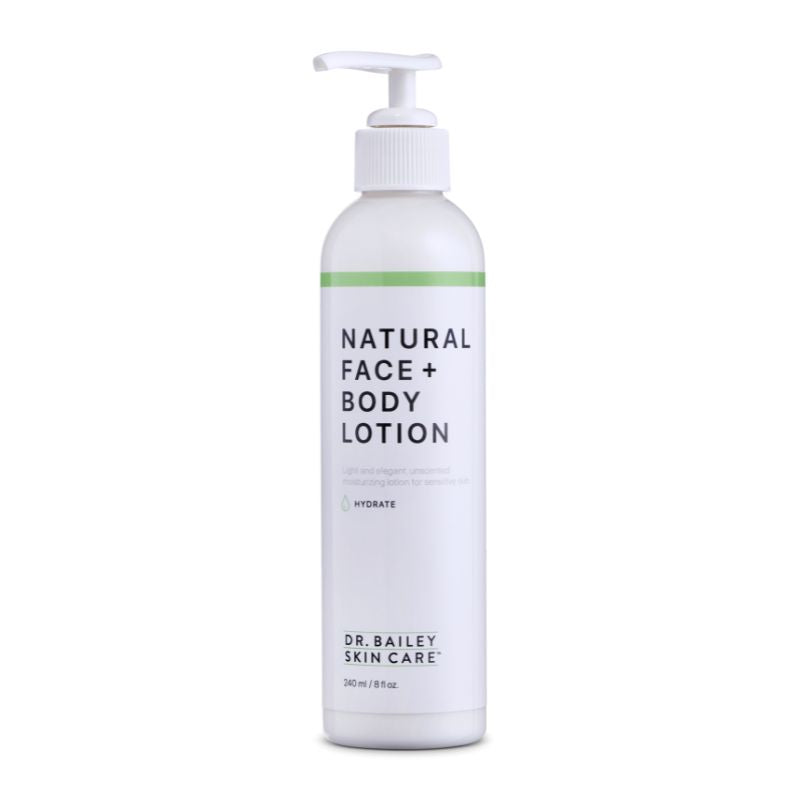
Credit: drbaileyskincare.com
Benefits Of Natural And Organic Creams
Natural and organic face creams offer several benefits for your skin and health. These creams use ingredients found in nature without harsh chemicals. They tend to be gentle and nourishing, making them a popular choice for many people.
Many users notice softer, healthier skin after switching to natural products. The benefits extend beyond just skin care. They also help protect the environment and reduce chemical exposure.
Skin Compatibility
Natural and organic creams often suit sensitive skin better. They contain fewer irritants and allergens. This lowers the chance of redness, itching, or breakouts. Many people find these creams calming and soothing. They work well for dry, oily, or combination skin types.
Environmental Impact
Natural creams usually use eco-friendly ingredients and packaging. They avoid synthetic chemicals that harm the planet. Many brands support sustainable farming and harvesting. Choosing organic helps reduce pollution and waste. It supports a healthier Earth for future generations.
Reduced Chemical Exposure
Natural and organic creams avoid harsh preservatives and additives. This means fewer toxins on your skin. Lower chemical exposure can reduce health risks over time. Your skin can breathe and repair itself better. This creates a safer daily skincare routine.
Potential Drawbacks To Consider
Natural and organic face creams offer many benefits, but they are not perfect. It is important to know their possible drawbacks. Understanding these points helps you decide if these creams suit your skin and lifestyle.
Allergic Reactions
Natural ingredients can cause allergies just like synthetic ones. Some people may react to plant oils, essential oils, or extracts. Even gentle products can irritate sensitive skin. Patch testing before full use is important. Check ingredient lists carefully for known allergens.
Shelf Life And Preservation
Natural face creams often lack strong preservatives. This can make them spoil faster than regular creams. Shorter shelf life means you must use the product quickly. Improper storage can reduce effectiveness. Always store creams in cool, dry places to keep them fresh.
Cost Factors
Natural and organic creams usually cost more. Quality ingredients and careful production raise prices. Some brands charge a premium for “natural” labels. Budget constraints can limit how often you buy these products. Comparing prices and benefits helps find the best option.
Effectiveness Compared To Conventional Creams
Natural and organic face creams often promise a gentler, healthier option. Their effectiveness compared to conventional creams is a key question for many. Understanding their performance in moisturizing, anti-aging, and skin sensitivity helps make a clear choice.
Moisturizing Properties
Natural creams use plant oils and extracts to hydrate skin. These ingredients often absorb quickly and nourish deeply. Conventional creams rely on synthetic moisturizers that can create a barrier on the skin. Both types can keep skin soft, but natural creams may suit dry or sensitive skin better.
Anti-aging Effects
Organic creams often contain antioxidants like vitamin E and green tea. These help protect skin from damage caused by free radicals. Conventional creams may include retinoids and peptides, which can boost collagen production. Natural ingredients work gently over time, while synthetic ones may show faster results but risk irritation.
Acne And Sensitive Skin
Natural face creams use soothing ingredients like aloe vera and chamomile. These reduce redness and calm irritation. They avoid harsh chemicals that can trigger breakouts or allergies. Conventional creams may contain fragrances and preservatives that irritate sensitive skin. Natural options often offer safer care for acne-prone skin.
Choosing The Right Face Cream
Choosing the right face cream can feel confusing. Many options claim to be natural or organic. Picking one that suits your skin is important. A good face cream helps keep your skin healthy and glowing. Understanding your skin and ingredients helps you make better choices.
Skin Type Considerations
Different skin types need different care. Dry skin needs creams that add moisture. Oily skin needs light creams that don’t clog pores. Sensitive skin needs gentle, fragrance-free creams. Know if your skin is dry, oily, or mixed. This helps you find a cream that works well.
Reading Ingredient Labels
Ingredient labels reveal what is inside a cream. Natural and organic products list plant-based ingredients first. Avoid creams with many chemicals or artificial fragrances. Look for ingredients like aloe vera, shea butter, or jojoba oil. These are gentle and good for skin health.
Patch Testing Tips
Try a small amount of cream on your skin first. Apply it to your wrist or behind your ear. Wait 24 hours to see if there is any reaction. Redness, itching, or swelling means the cream may not suit you. Patch testing helps avoid allergic reactions or irritation.

Credit: www.amazon.com
Myths And Facts About Natural And Organic Creams
Natural and organic face creams attract many people. People often think these creams are safer and better for skin. Some believe they work better than regular creams. Others worry about their effectiveness or safety. It is important to know the real facts and myths about these products.
This section clears up confusion. It shares true information based on science. Knowing the facts helps you choose the right cream for your skin.
Debunking Common Misconceptions
Some believe natural creams cannot cause allergies. This is not true. Natural ingredients can cause reactions just like chemicals. Another myth says organic creams have no preservatives. Most organic creams use safe preservatives to keep them fresh. People think natural creams work faster. They often take time to show results. Many think natural means no side effects. Any product can cause side effects depending on skin type.
Scientific Research Insights
Studies show natural creams can be effective for skin. Certain plant extracts have healing and moisturizing properties. Science supports some benefits of organic ingredients. But not all natural ingredients are proven safe or effective. Research advises careful ingredient checking before use. Some natural oils may clog pores and cause acne. Scientific tests help find the best natural creams for skin health.
Frequently Asked Questions
Are Natural Face Creams Safer For Sensitive Skin?
Natural face creams often contain fewer irritants and synthetic chemicals. This makes them gentler and safer for sensitive skin types. They usually have soothing ingredients like aloe vera and chamomile, which help reduce redness and irritation effectively.
Do Organic Face Creams Offer Better Anti-aging Benefits?
Organic face creams are rich in antioxidants and vitamins. These nutrients help fight free radicals, slowing down skin aging. While results vary, many users report improved skin texture and reduced wrinkles with consistent use of organic creams.
Can Natural And Organic Creams Prevent Skin Allergies?
Natural and organic creams reduce the risk of allergies by avoiding harsh chemicals. However, some natural ingredients can still cause reactions. Always patch test new products to ensure they are safe for your skin.
How Do Natural Creams Compare In Moisturizing Ability?
Natural creams often use plant-based oils and butters, which provide deep, lasting hydration. They nourish the skin without clogging pores, making them suitable for most skin types. Their moisturizing effect can be as effective as synthetic creams.
Conclusion
Natural and organic face creams offer benefits worth considering. They often contain fewer chemicals and irritants. Many people find them gentler on sensitive skin. Yet, effectiveness depends on your skin type and needs. Always check ingredients and test products first.
Choosing what suits you best matters most. Natural does not always mean better for everyone. Balance between safety and results is key. Try different options to see what works. Your skin deserves care that feels right to you.