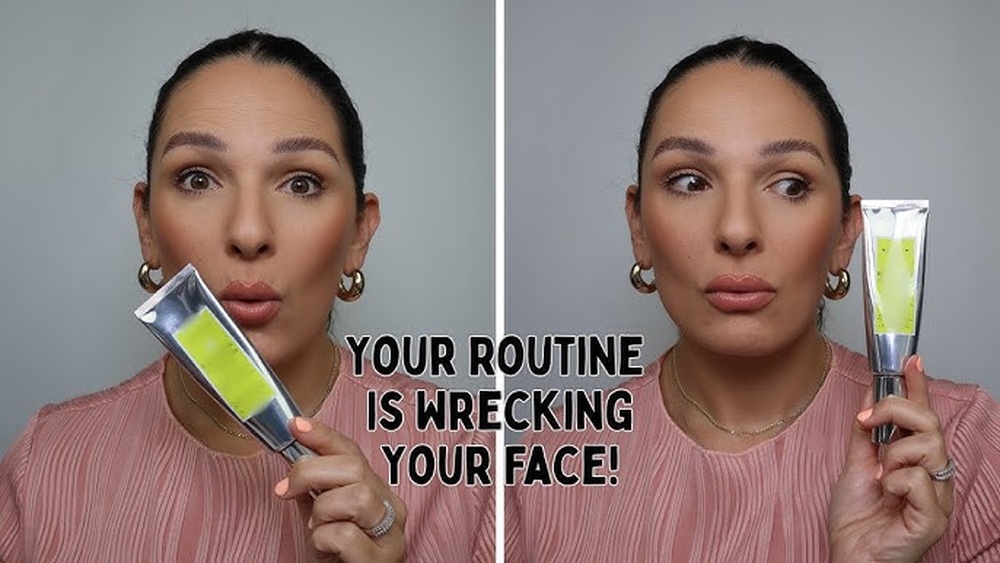
Are you sure you’re using your face cream the right way? It might seem simple—just apply and go—but small mistakes can ruin all the benefits you expect.
What if the way you use your cream is actually harming your skin or blocking its natural glow? You’ll discover the common face cream mistakes many people make every day, often without even realizing it. Fixing these simple errors could transform your skincare routine and give you the healthy, radiant skin you want.
Keep reading—you don’t want to miss these game-changing tips!

Credit: www.lotusbotanicals.com
Choosing The Wrong Cream
Choosing the wrong face cream can harm your skin more than help it. Many people pick creams without knowing their skin’s needs. This mistake can cause breakouts, dryness, or irritation. Knowing how to select the right cream is key to healthy skin.
Picking The Incorrect Skin Type
Each skin type needs a different kind of cream. Oily skin needs a light, non-greasy formula. Dry skin needs a rich, moisturizing cream. Sensitive skin requires gentle products without harsh chemicals. Using the wrong type can worsen your skin problems.
Ignoring Ingredients That Matter
Ingredients make a big difference in face creams. Some help with hydration, others fight aging or acne. Avoid creams with alcohol if your skin is dry. Look for natural moisturizers like aloe or hyaluronic acid. Reading labels helps you find what your skin needs.
Overlooking Spf Protection
Sun damage causes wrinkles and dark spots. A face cream with SPF shields your skin from UV rays. Not all creams have this important feature. Using a cream without SPF means missing daily sun protection. Choose one with at least SPF 30 for best results.
Applying Cream Incorrectly
Applying face cream seems simple, but many make common mistakes. These errors can reduce the cream’s benefits. Proper application helps your skin absorb nutrients better. It also prevents irritation and dryness. Understanding the right way to apply cream is key.
Using Too Much Or Too Little
Using too much cream can clog pores and cause breakouts. It also wastes product and feels heavy on the skin. Using too little cream won’t hydrate your skin well enough. Aim for a pea-sized amount for your entire face. Adjust based on your skin type and cream texture.
Skipping The Neck And Décolletage
The neck and décolletage often get ignored. These areas show aging signs quickly. Applying cream only on the face leaves these parts dry. Extend your cream application down to the neck and upper chest. This keeps skin smooth and hydrated everywhere.
Rubbing Instead Of Patting
Rubbing cream can irritate and stretch the skin. It may cause redness and sensitivity. Patting cream gently helps it absorb better. Use your fingertips to press cream into the skin softly. This method protects the skin’s delicate structure.
Neglecting Skin Preparation
Proper skin preparation is key to getting the most from your face cream. Skipping this step can stop your cream from working well. Your skin needs to be clean and ready to absorb the cream fully. Many people miss this part and wonder why their face cream does not help their skin much.
Preparing your skin means more than just putting on cream. It involves cleaning and sometimes removing dead skin cells. This helps your skin take in all the good ingredients from the cream. Neglecting these steps can block the cream from doing its job.
Not Cleansing Properly
Cleansing removes dirt, oil, and makeup from your skin. If you do not cleanse well, these remain on your face. They form a barrier that stops your cream from reaching your skin. Use a gentle cleanser that suits your skin type. Clean your face twice a day to keep it fresh and ready for your cream.
Skipping Exfoliation
Exfoliation removes dead skin cells that build up on your face. These cells make your skin look dull and block cream absorption. Use a mild exfoliator one or two times a week. This helps your skin look brighter and lets your cream work better. Do not exfoliate too often, or you may irritate your skin.
Applying On Dirty Or Oily Skin
Applying cream on skin that is oily or dirty stops it from working well. Oil and dirt mix with your cream and clog pores. This can lead to breakouts and dull skin. Always clean your face before applying cream. If your skin is oily, use a toner to remove extra oil before the cream.
Ignoring Product Expiry
Many people do not check the expiry date on their face creams. Using old creams can harm your skin. Expired products lose their strength and may cause irritation or breakouts. Skincare works best when products are fresh and safe to use. Knowing how to store creams also helps keep them good longer.
Using Expired Creams
Expired creams can change in color, smell, or texture. These changes mean the product is no longer safe. Chemicals in the cream can break down and irritate your skin. Using expired creams can cause redness, itching, or even infections. Always check the expiration date before applying any face cream. Toss out creams that are past their date.
Storing Creams Improperly
Storing creams in warm or humid places spoils them faster. Heat and moisture break down the ingredients quickly. Keep face creams in a cool, dry place away from sunlight. Avoid leaving creams in the bathroom or near windows. Proper storage keeps creams fresh and effective longer. This simple step helps protect your skin and your investment.
Combining Incompatible Products
Combining face cream with other skincare products might seem like a good idea. It can boost your skincare routine. But some products do not work well together. Using the wrong mix can cause skin irritation or reduce effectiveness. Understanding which products clash helps keep your skin healthy and glowing.
Mixing Active Ingredients Incorrectly
Some active ingredients should never be mixed. For example, retinol and vitamin C can irritate skin if used together. They have different pH levels that clash. Another common mistake is combining acids like AHAs or BHAs with retinol. This can cause redness and peeling. Use these actives at different times, such as morning and night.
Layering Without Waiting
Applying one product right after another can cause problems. Your skin needs time to absorb each layer. If you rush, products may not work properly. For example, layering serum over cream too soon blocks absorption. Wait at least one minute between steps. This helps each product settle and work well.

Credit: lavaart.com
Expecting Instant Results
Many people expect face creams to work instantly. They want to see clear skin or reduced wrinkles right away. This expectation can cause frustration and lead to stopping the product too soon. Understanding how face creams work helps set realistic goals.
Impatience With Skin Changes
Skin needs time to heal and improve. Most face creams take weeks to show results. The skin’s natural cycle lasts about 28 days. A cream’s ingredients work slowly to boost hydration and repair. Stopping early means missing the full benefits. Patience is key for healthy skin.
Misunderstanding Product Benefits
Face creams do not erase all skin problems immediately. Some creams focus on hydration, others on anti-aging or brightening. Knowing what a product does helps manage expectations. Benefits build over time with regular use. Instant fixes are rare in skincare.

Credit: gotoskincare.com
Frequently Asked Questions
What Common Face Cream Mistakes Reduce Effectiveness?
Using too much or too little cream can harm results. Applying on dirty skin or skipping sunscreen also reduces benefits. Not allowing absorption time and mixing incompatible products are common errors to avoid.
How Often Should I Apply Face Cream Daily?
Generally, applying face cream twice daily is ideal. Once in the morning and once before bed keeps skin hydrated. Adjust frequency based on skin type and product instructions for best results.
Can Using Expired Face Cream Harm My Skin?
Yes, expired creams can cause irritation or breakouts. Ingredients lose potency over time, reducing effectiveness. Always check expiration dates and discard old products to protect your skin.
Should I Apply Face Cream Before Or After Serum?
Apply face cream after serum for best absorption. Serum penetrates deeper, delivering active ingredients first. Face cream locks in moisture and protects the skin’s barrier.
Conclusion
Choosing the right face cream matters a lot for your skin health. Avoid common mistakes to see better results. Apply the cream gently and at the right time. Don’t use too much or too little product. Check the ingredients to suit your skin type.
Remember, small changes make a big difference. Take care daily to keep your skin fresh and healthy. Simple habits lead to glowing skin over time. Your skin will thank you for smart choices. Keep these tips in mind and feel confident every day.