

If you have oily skin, finding Sunscreen Creams for Oily Skin can feel like a never-ending battle. You want protection from harmful UV rays, but you also don’t want to end up with a greasy, shiny face by midday.
What if you could have a sunscreen that keeps your skin safe and fresh all day long? You’ll discover the best sunscreen creams made specifically for oily skin. These options will help you stay protected without clogging your pores or adding extra shine.
Keep reading to find the perfect match for your skin and enjoy sun protection that truly works for you.
Table of Contents
Why Choose Sunscreen For Oily Skin
Choosing the right sunscreen for oily skin is important. Oily skin needs special care to stay fresh and protected. Many sunscreens can feel heavy and greasy, making the skin uncomfortable. Using sunscreen designed for oily skin helps keep the face clear and shine-free. It also protects the skin from harmful sun damage without clogging pores.
Challenges Of Oily Skin
Oily skin produces extra sebum, the natural oil on the face. This can cause the skin to look shiny and feel greasy. Sunscreens that are thick or heavy may worsen this shine. They can block pores and cause breakouts. Many oily skin types also feel sticky or uncomfortable with wrong products. Finding a sunscreen that controls oil is key to comfort and skin health.
Benefits Of Lightweight Formulas
Lightweight sunscreen formulas are perfect for oily skin. They absorb quickly without leaving a heavy feeling. These sunscreens reduce shine and keep the skin matte. They allow the skin to breathe and do not clog pores. Many use gel or water-based formulas that feel fresh and clean. This makes daily sun protection easy and pleasant for oily skin types.
:max_bytes(150000):strip_icc()/the-best-drugstore-moisturizers-for-oily-skin-tout-678b1ebeda01461fb3f40b8aae0f58f9.jpg)
Credit: www.byrdie.com
Key Ingredients For Oily Skin Sunscreens
Sunscreens for oily skin need special ingredients. These ingredients help control shine and avoid clogged pores. Choosing the right components keeps your skin safe and fresh all day. Understanding these key ingredients makes picking the best sunscreen easier.
Oil-absorbing Components
Ingredients like silica and kaolin clay soak up extra oil. They reduce shine and keep skin matte. These components stop sunscreen from feeling greasy. They help your skin look clean and smooth.
Non-comedogenic Ingredients
Non-comedogenic means the product won’t block pores. Ingredients such as zinc oxide and titanium dioxide protect skin without causing pimples. These are safe choices for oily and acne-prone skin. They let your skin breathe while offering sun protection.
Matte Finish Agents
Matte finish agents create a soft, shine-free look. Ingredients like dimethicone and nylon-12 provide a smooth, non-greasy feel. They help sunscreen blend well and stay put. These agents keep your skin looking fresh all day long.
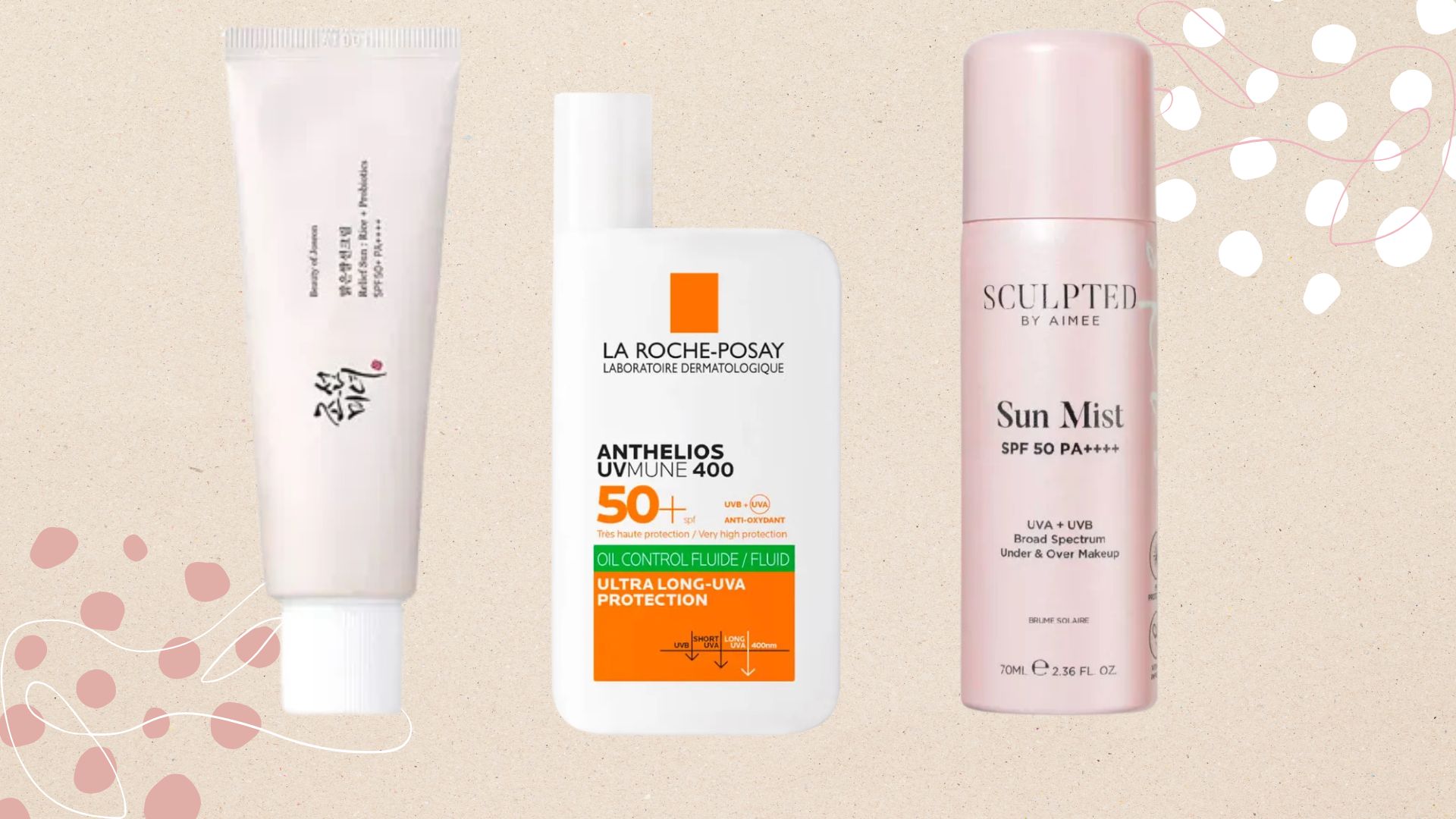
Top Sunscreen Creams For Oily Skin In 2025
Choosing the right sunscreen for oily skin can be a challenge. Sunscreens that feel heavy or greasy often worsen shine and clog pores. In 2025, many brands offer formulas designed to control oil and protect skin effectively.
These sunscreens absorb quickly and leave a matte finish. They help prevent breakouts while shielding your skin from sun damage. Below are top picks for oily skin across different types of sunscreens.
Best Lightweight Chemical Sunscreens
Chemical sunscreens absorb UV rays without leaving a white cast. The best ones for oily skin are oil-free and non-comedogenic. These formulas feel light and dry quickly. They often include ingredients like niacinamide to reduce shine and calm skin. Many also contain antioxidants for extra protection.
Best Mineral Sunscreens
Mineral sunscreens use zinc oxide or titanium dioxide as physical blockers. They sit on the skin surface, reflecting UV rays. For oily skin, mineral options with a matte finish are ideal. They help absorb excess oil and reduce shine. These sunscreens are less likely to clog pores and cause irritation.
Best Hybrid Formulas
Hybrid sunscreens combine chemical and mineral filters. They offer broad protection with a lightweight feel. Many hybrids include mattifying agents to control oil. These formulas balance effectiveness and comfort for oily skin types. They provide smooth coverage without heaviness or stickiness.
Credit: www.womanandhome.com
How To Apply Sunscreen On Oily Skin
Applying sunscreen on oily skin needs care. Using the right method keeps your skin fresh and protected. Follow simple steps to avoid extra shine and clogged pores. Here is how to do it well.
Proper Application Techniques
Start with clean, dry skin. Take a small amount of sunscreen. Dot it on your forehead, cheeks, nose, and chin. Gently spread it evenly across your face. Use light, upward strokes. Avoid rubbing too hard. Let the sunscreen absorb fully before any other product.
Layering With Other Skincare Products
Apply sunscreen as the last step in your morning skincare. First, use your moisturizer and serum. Wait a few minutes for them to dry. Then, add sunscreen on top. This method helps prevent pilling and keeps your skin matte. Use oil-free or gel-based products to reduce greasiness.
Reapplication Tips
Reapply sunscreen every two hours outdoors. Use a powder sunscreen or blotting papers to freshen your skin. Carry a small bottle or spray for easy use. Avoid touching your face often. This keeps oil and dirt away and keeps sunscreen effective.
Common Mistakes To Avoid
Choosing the right sunscreen for oily skin is important. Many people make simple mistakes that cause more oil and breakouts. Avoiding these errors helps keep your skin healthy and protected.
Understanding what not to do can improve your sunscreen routine. It keeps your face less greasy and more comfortable. Here are common mistakes to avoid for oily skin.
Using Heavy Creams
Heavy creams block pores and increase oiliness. They make your skin feel sticky and look shiny. Use light, gel-based sunscreens instead. These formulas absorb quickly and do not clog pores.
Skipping Sunscreen On Cloudy Days
Clouds do not block UV rays. Your skin still gets sun damage even if it looks dark outside. Always apply sunscreen, no matter the weather. This protects your skin from early aging and spots.
Not Blotting Excess Oil
Excess oil can mix with sunscreen and cause breakouts. Gently blot your face with oil-absorbing sheets during the day. This keeps your skin fresh and the sunscreen working well.
Additional Tips For Managing Oily Skin
Managing oily skin requires more than just the right sunscreen cream. Small changes in daily habits help control shine and prevent breakouts. These extra tips support your skin’s health and keep it fresh all day.
Daily Skincare Routine
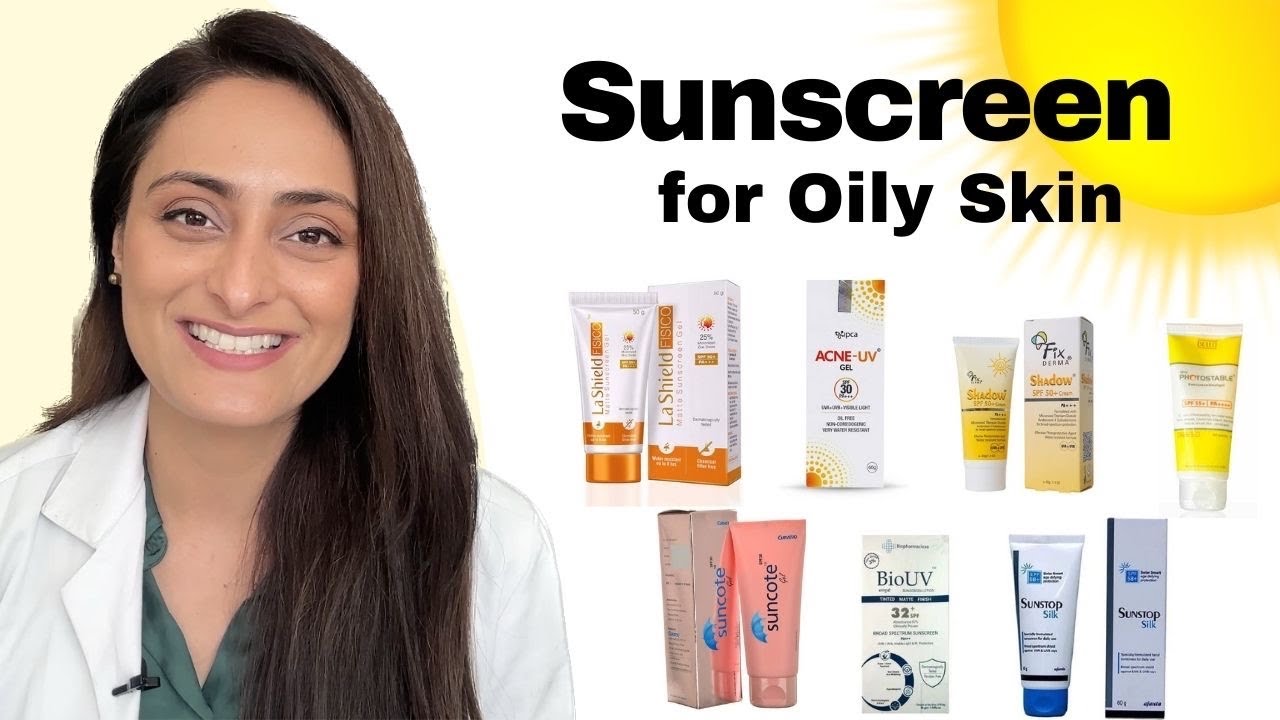
Clean your face twice a day with a gentle cleanser. Avoid harsh soaps that dry your skin. Use a lightweight, oil-free moisturizer to keep skin balanced. Apply sunscreen specifically made for oily skin. Never skip this step to protect skin from sun damage.
Diet And Hydration
Drink plenty of water to keep skin hydrated from within. Limit oily and greasy foods that may increase shine. Eat fruits and vegetables rich in vitamins for healthy skin. A balanced diet supports clearer and less oily skin.
Choosing Makeup For Oily Skin
Use makeup labeled as oil-free or non-comedogenic. Powder foundations work better than creamy ones. Avoid heavy makeup that clogs pores and causes more oil. Always remove makeup before sleeping to prevent breakouts.
Credit: www.youtube.com
Frequently Asked Questions
What Ingredients Should Oily Skin Sunscreens Have?
Look for sunscreens with oil-free, non-comedogenic ingredients. Gel-based or water-based formulas containing niacinamide or salicylic acid help control oil and prevent breakouts.
Can Sunscreen Cause More Oiliness On Oily Skin?
Some sunscreens can feel greasy, but oil-free and mattifying formulas reduce shine. Choose lightweight, non-comedogenic sunscreens to avoid excess oil production.
How Often Should Oily Skin Reapply Sunscreen?
Reapply sunscreen every two hours, especially if sweating or outdoors. Use a lightweight sunscreen suitable for oily skin to maintain protection without clogging pores.
Are Mineral Sunscreens Better For Oily Skin?
Yes, mineral sunscreens with zinc oxide or titanium dioxide are less likely to clog pores. They provide broad-spectrum protection and are gentle on oily, sensitive skin.
Conclusion
Choosing the right sunscreen for oily skin helps keep your face fresh. It prevents shine and protects from sun damage. Lightweight formulas absorb quickly without clogging pores. Use sunscreen every day, even when indoors or cloudy. Healthy skin starts with good habits and the right products.
Protect your skin to enjoy a clear, smooth complexion. Stay consistent and notice the difference in your skin’s health. Keep your skin safe and comfortable all year round.
Leave a Reply