

Do you have a scar that won’t go away? You’re not alone. Best Scar Removal Creams are there to remove your scar now.
Scars can affect how you feel about your skin and your confidence. You’ve probably seen countless creams promising to erase those marks. But do they really work? You’ll discover which scar removal creams live up to their claims and what you should know before trying them.
Keep reading to find the truth and take the first step toward clearer skin.
How Scars Form
Scars form as the skin repairs itself after injury. The body creates new tissue to close the wound. This tissue looks different from normal skin. It may be thicker, raised, or a different color. Understanding how scars form helps in choosing the right treatment.
Types Of Scars
There are several types of scars. Each type has unique features and healing patterns.
- Hypertrophic scars: Raised scars that stay within the injury area.
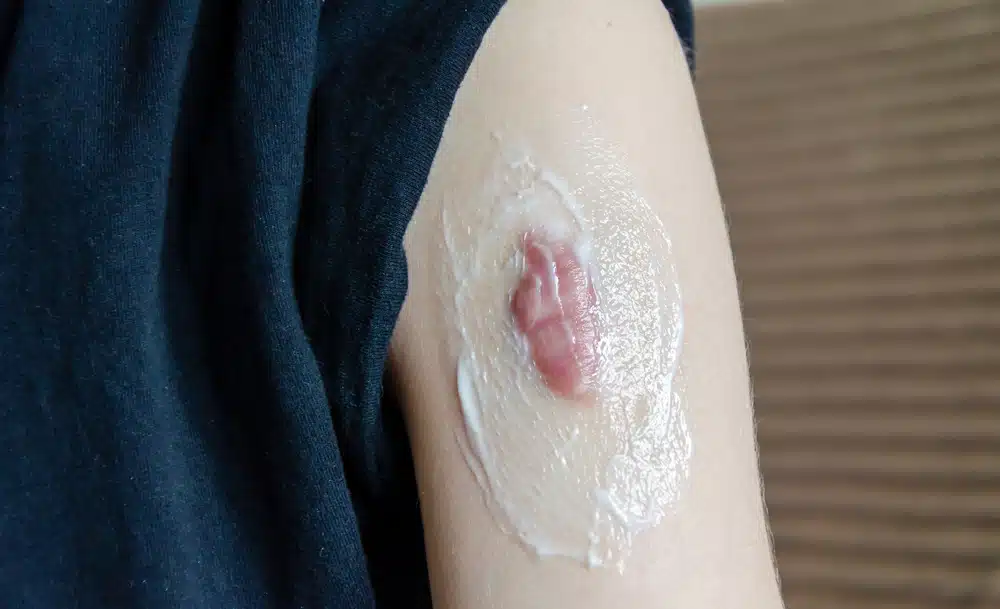
- Keloid scars: Thick, raised scars that grow beyond the wound edges.
- Atrophic scars: Sunken or pitted scars, often from acne or chickenpox.
- Contracture scars: Tight scars that can limit movement, common after burns.
Factors Affecting Scar Healing
Several factors influence how scars heal and look.
- Age: Younger skin heals faster but may form thicker scars.
- Skin type: Darker skin tones often develop keloids more easily.
- Injury size and depth: Larger or deeper wounds create more noticeable scars.
- Location: Areas with more tension or movement may scar worse.
- Care during healing: Proper wound care can reduce scar severity.
Credit: www.mederma.co.in
Common Ingredients In Scar Creams
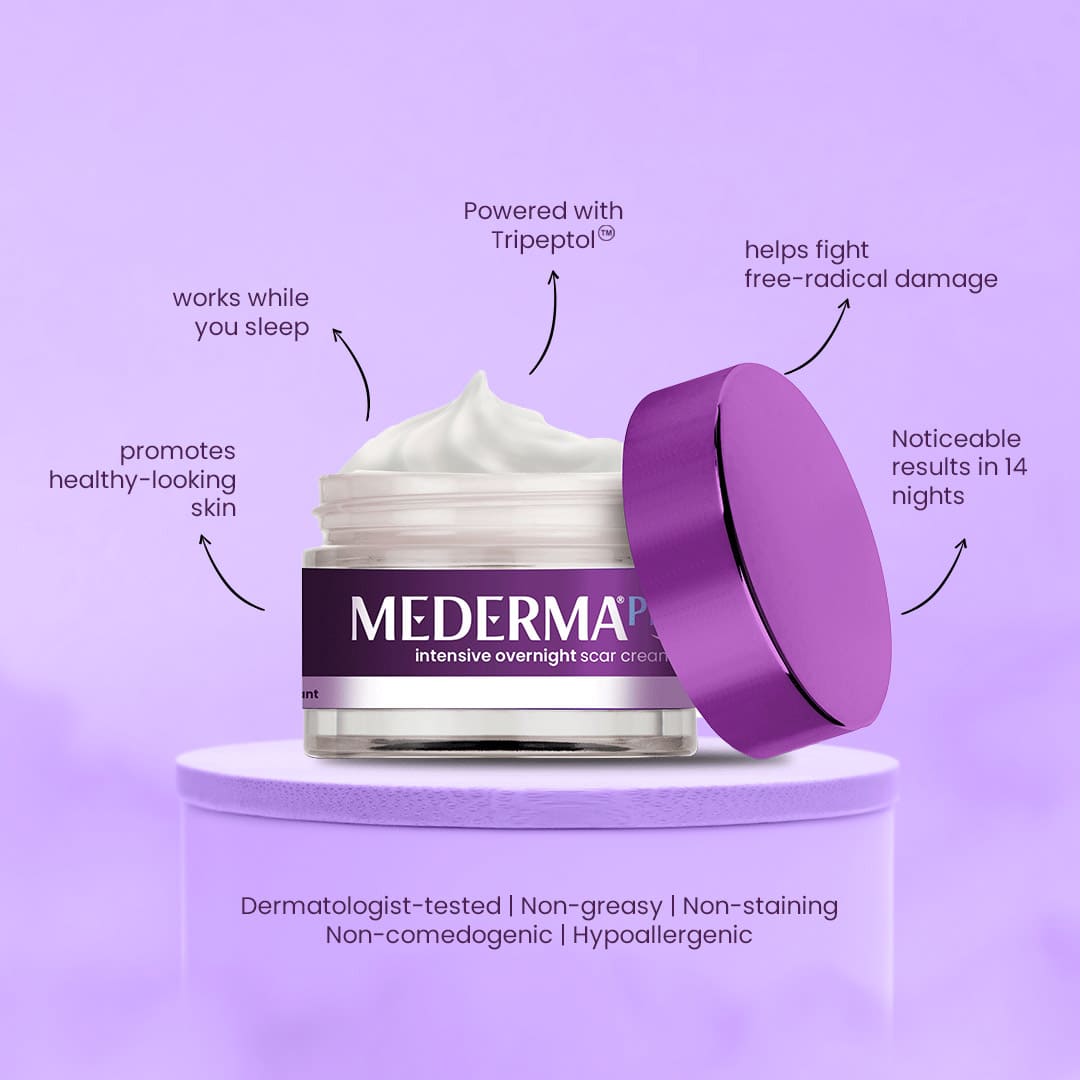
Scar removal creams contain different ingredients that help improve the skin’s appearance. These ingredients work to soften, heal, and reduce the visibility of scars. Understanding the common ingredients can help you choose the right cream for your skin type and scar type.
Silicone-based Formulas
Silicone is one of the most common ingredients in scar creams. It forms a protective layer on the skin. This layer helps keep the skin hydrated. Hydrated skin heals better and faster. Silicone also reduces redness and smooths out the scar’s texture. Many dermatologists recommend silicone for fresh and old scars.
Natural Extracts
Natural extracts come from plants and herbs. These extracts often have healing and soothing properties. Aloe vera is popular for calming irritated skin. Centella asiatica helps boost collagen, which improves skin repair. Tea tree oil fights bacteria and reduces inflammation. Natural extracts support healthy skin and can reduce scar visibility.
Vitamins And Antioxidants
Vitamins help the skin repair itself. Vitamin E is well-known for scar healing. It helps soften the scar tissue. Vitamin C brightens the skin and boosts collagen production. Antioxidants protect skin cells from damage. They support faster healing and reduce scar marks. Many creams add these vitamins to improve results.
Top Scar Removal Creams In 2024
Scars can affect confidence and skin appearance. Many creams promise to reduce scars and improve skin texture. Choosing the right scar removal cream is important for visible results. In 2024, several products stand out for their ingredients and user reviews. These creams target different types of scars, such as acne scars, surgery marks, and stretch marks. Understanding the best options helps to make a smart choice for your skin care.
High-rated Products
Top scar removal creams in 2024 contain ingredients like silicone, vitamin E, and onion extract. These ingredients support skin healing and reduce redness. Products like Mederma, Bio-Oil, and ScarAway have high ratings from users worldwide. They are praised for softening scars and improving skin tone. Many users notice changes after regular use for several weeks. These creams are easy to apply and suitable for most skin types.
Price Vs. Effectiveness
Scar removal creams vary in price from budget-friendly to premium. Expensive creams often include advanced ingredients and clinical backing. Cheaper options may still offer good results, especially for mild scars. Effectiveness depends on scar type, age, and skin care routine. Consistency in use matters more than price alone. Choosing a cream that fits your budget and skin needs is key to success.
Credit: www.clearskin.in
Scientific Evidence Behind Scar Creams
Many people want to reduce the appearance of scars. Scar removal creams are popular for this. But do these creams really work? Understanding the science behind them helps us know their true value. This section looks at scientific studies and trials on scar creams. It also points out limits in current research.
Clinical Trials And Studies
Several clinical trials test scar removal creams. These studies usually compare treated and untreated scars. Results show some creams can improve scar texture and color. Ingredients like silicone and onion extract often appear in effective creams. Silicone gels and sheets help keep scars hydrated. This reduces scar thickness and redness.
Other studies test vitamin E and corticosteroids in creams. Results are mixed for vitamin E. Some people see improvement; others do not. Corticosteroids reduce inflammation and scar size, especially in keloids. Overall, many creams show small but positive effects in trials.
Limitations Of Current Research
Research on scar creams has limits. Many studies have small participant groups. This makes results less reliable for everyone. Study lengths vary, so long-term effects remain unclear. Scars differ by type, size, and skin tone. Not all creams work for every scar type.
Some studies lack control groups or use subjective measures. This can bias results. More large-scale, well-designed studies are needed. Until then, scar creams should be used with realistic expectations.
User Experiences And Reviews
User experiences and reviews give real insight into scar removal creams. They show how creams work on different skin types and scars. People share both good and bad results. Reading these helps set the right expectations.
Positive Outcomes
Many users report visible scar fading after regular use. Creams often soften skin and reduce redness. Some notice smoother texture and less raised scars. Several users say scars become less noticeable over weeks. Consistency in application is key to success. Some creams also improve skin hydration and comfort.
Common Complaints
Some users see little or no change in scars. Results can be slow and vary by scar type. A few experience skin irritation or allergic reactions. Creams may not work well on old or deep scars. Some find the creams sticky or greasy. Price and availability can also be concerns for users.
Tips For Maximizing Scar Cream Results
Maximizing the results of scar removal creams requires more than just applying the product. Small changes in how you use the cream can improve its effectiveness. Understanding the right methods helps your skin heal better and faster. Follow these key tips to get the best results from your scar cream.
Proper Application Techniques
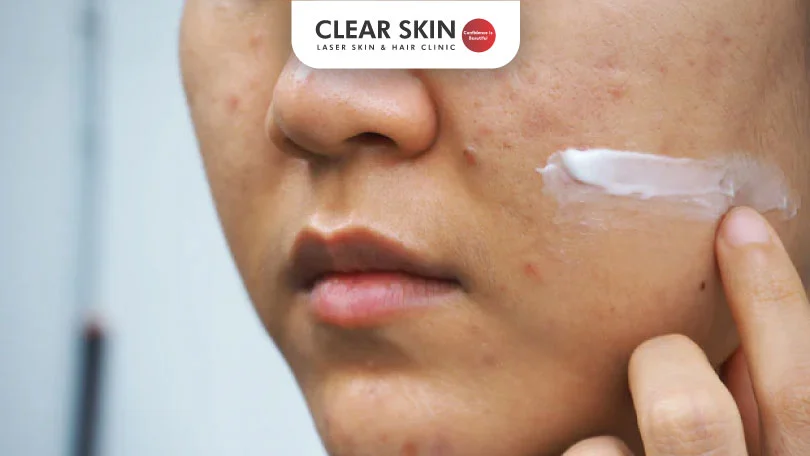
Clean your skin gently before applying the cream. Use warm water to open pores but avoid harsh scrubbing. Pat the area dry with a soft towel. Apply a thin, even layer of cream directly on the scar. Massage the cream gently in circular motions. This helps the skin absorb the product deeply. Use the cream as often as the instructions say. Consistency is important for seeing results.
Combining With Other Treatments
Scar creams work better with other skin care methods. Use sunscreen daily to protect the scar from darkening. Avoid picking or scratching the scar area. Keep the skin hydrated with a gentle moisturizer. Some people use silicone gel sheets for extra healing. Talk to a dermatologist about adding treatments like laser or microneedling. These options can improve scar appearance more quickly.
When To Seek Professional Treatment
Sometimes, scar removal creams do not fully improve scars. Deep, large, or old scars may need professional care. Seeking expert treatment helps achieve better results and reduces skin damage risks. Knowing the right time to visit a doctor is important for clear skin.
Laser Therapy
Laser therapy uses light beams to reduce scar tissue. It helps smooth skin texture and fades discoloration. This treatment suits scars from acne, surgery, or injury. Sessions vary in number, depending on scar size and type. Laser therapy is quick with little pain or downtime.
Surgical Options
Surgical scar removal is for very thick or raised scars. Doctors cut out the scar and close the skin neatly. This method improves scar shape and size. It works best for scars that creams or lasers cannot fix. Recovery takes time, and follow-up care is necessary.
Credit: www.thekeloidplasticsurgerycenter.com
Frequently Asked Questions
What Ingredients Make Scar Removal Creams Effective?
Scar removal creams often contain silicone, vitamin E, and onion extract. Silicone helps retain moisture, vitamin E supports healing, and onion extract reduces inflammation. These ingredients work together to soften scars and improve skin texture over time.
How Long Does It Take For Scar Creams To Show Results?
Most scar creams take 4 to 8 weeks to show visible improvements. Consistent daily application is essential. Results vary depending on scar type, size, and skin condition. Patience and regular use increase effectiveness.
Can Scar Removal Creams Completely Erase Scars?
Scar removal creams can significantly reduce scar appearance but rarely erase scars completely. They improve texture and color but deeper scars may need additional treatments like laser therapy or microneedling for best results.
Are Scar Removal Creams Safe For Sensitive Skin?
Many scar creams are formulated for sensitive skin, but it’s best to check ingredients. Perform a patch test to avoid allergic reactions. Opt for fragrance-free, hypoallergenic products for safer use on sensitive skin.
Conclusion
Scar removal creams can help reduce the look of scars. Results vary based on skin type and scar age. Consistent use is key to seeing changes. Choose creams with ingredients known for healing skin. Patience matters; scars don’t disappear overnight.
Combine creams with good skin care habits. Consult a doctor for deep or serious scars. Small steps can improve your skin’s appearance. Keep realistic expectations and care for your skin daily.
Leave a Reply