

Are you tired of dull, uneven skin and wondering if whitening creams can truly help? You’ve probably seen countless products promising brighter, clearer skin.
But do these creams really work, or are they just empty promises? If you want to know what actually happens when you apply whitening creams and whether they’re safe for your skin, keep reading. This article will clear up the confusion and help you make the best choice for your skin’s health and glow.

Credit: www.bbc.com
How Whitening Creams Work
Whitening creams aim to lighten the skin and reduce dark spots. They work by targeting the pigments that give skin its color. Understanding how these creams work helps you know what to expect.
The process involves active ingredients that affect skin cells. These ingredients slow down or block pigment production. Let’s explore the key components and how they interact with your skin.
Active Ingredients Explained
Many whitening creams contain ingredients like hydroquinone, kojic acid, and vitamin C. Hydroquinone reduces melanin, the pigment that darkens skin. Kojic acid blocks melanin production by inhibiting enzymes. Vitamin C acts as an antioxidant and brightens skin tone. Some creams also use niacinamide to reduce pigment transfer to skin cells.
Mechanism On Skin Pigmentation
Skin color depends on melanin made by cells called melanocytes. Whitening creams target melanocytes to lower melanin production. This leads to lighter skin and fewer dark spots. The creams also prevent melanin from moving to the upper skin layers. Over time, this can result in a more even skin tone.

Credit: www.bellaallnatural.com
Effectiveness Of Whitening Creams
Whitening creams are popular for lightening skin tone and reducing dark spots. Many wonder if these creams deliver visible results or just empty promises. Understanding their effectiveness helps in making smart choices for skincare.
Whitening creams work by targeting melanin, the pigment that gives skin its color. Some creams contain ingredients that slow down melanin production. Others help fade existing dark spots or uneven skin tones. The results depend on the formula and regular use over time.
Results From Clinical Studies
Clinical studies show mixed results for whitening creams. Some creams with ingredients like hydroquinone, kojic acid, and vitamin C show good skin lightening effects. These ingredients can reduce melanin production safely under medical guidance.
Not all creams undergo strict testing. Some products have weak or unproven ingredients. Results vary by skin type and condition. Studies suggest that consistent use over weeks is necessary to see changes.
User Experiences And Reviews
User reviews often report gradual lightening of dark spots and skin tone. Many users notice smoother, brighter skin after a few weeks. Some users see no change or experience irritation.
Reviews highlight the importance of patience and proper application. Effects differ depending on skin sensitivity and product quality. Some users combine whitening creams with sunscreen for better results.
Potential Risks And Side Effects
Whitening creams promise brighter skin, but they can cause problems. Many people do not know about the risks and side effects. It is important to learn what might happen before using these products. Understanding the dangers helps you make safer choices for your skin.
Common Skin Reactions
Some whitening creams cause redness and itching. The skin may become dry or flaky. These reactions often happen because of strong chemicals. Allergic reactions can also occur, leading to swelling or rash. These symptoms can be mild or severe. Stop using the cream if you notice any irritation.
Long-term Health Concerns
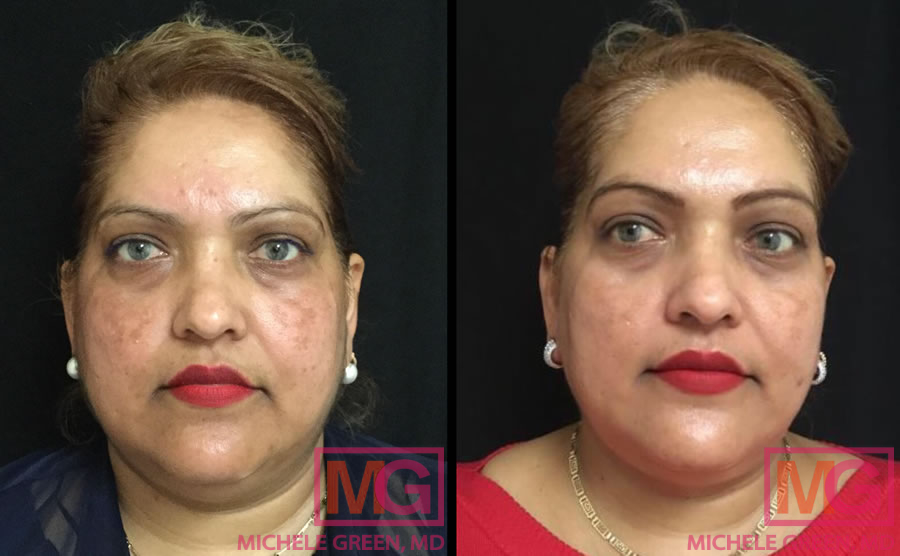
Using whitening creams for a long time may harm your skin. Some creams contain harmful ingredients like hydroquinone or mercury. These substances can damage the skin’s natural barrier. Prolonged use may cause thinning skin or dark spots. There is also a risk of kidney and nerve damage from toxic ingredients. Choosing safe products is vital to avoid these health issues.
Credit: www.michelegreenmd.com
Natural Alternatives To Whitening Creams
Natural alternatives to whitening creams offer gentle ways to improve skin tone. These methods use simple ingredients and habits. They help brighten skin without harsh chemicals. Many people prefer these safe options for daily use.
Home Remedies
Some kitchen ingredients can lighten dark spots. Lemon juice has natural bleaching properties. Apply lemon juice on dark areas for a few minutes. Rinse well and avoid sun exposure afterward. Honey soothes skin and reduces discoloration. Mix honey with turmeric and apply as a mask. Aloe vera gel helps fade spots and moisturizes skin. Use fresh aloe gel daily for best results.
Lifestyle Changes For Even Skin Tone
Good habits improve skin tone over time. Drink plenty of water to keep skin hydrated. Eat fruits and vegetables rich in vitamins. Protect skin from sun damage with sunscreen. Avoid smoking and reduce stress for healthier skin. Regular sleep helps skin repair and glow. Gentle cleansing removes dirt without irritation.
Choosing Safe Whitening Products
Choosing safe whitening products is very important for healthy skin. Many creams promise bright results but may harm your skin. It is best to pick products that protect your skin while working gently. Knowing what to check on labels and which ingredients to avoid can help you stay safe.
What To Look For On Labels
Always read the label before buying any whitening cream. Look for ingredients like vitamin C, niacinamide, or licorice extract. These are gentle and help brighten skin safely. Check for the product’s expiry date to ensure it is fresh. Also, see if the product is tested by dermatologists. This means it is likely safe for your skin type.
Avoiding Harmful Ingredients
Some whitening creams contain harmful chemicals. Avoid products with hydroquinone, mercury, or steroids. These can cause skin damage or allergies. Steer clear of creams with strong bleach or acid too. These might give quick results but hurt your skin over time. Choose creams with natural and mild ingredients instead.
Frequently Asked Questions
Do Whitening Creams Show Visible Results?
Yes, whitening creams can lighten skin tone and reduce dark spots. Results vary depending on ingredients and skin type. Consistent use over weeks is essential for noticeable changes.
Are Whitening Creams Safe For All Skin Types?
Most whitening creams are safe but may cause irritation on sensitive skin. Always perform a patch test before full application to avoid adverse reactions.
How Long Do Whitening Creams Take To Work?
Typically, whitening creams take 4 to 8 weeks to show visible results. Patience and regular use are crucial for effective skin lightening.
Can Whitening Creams Remove Dark Spots Completely?
Whitening creams can significantly reduce dark spots but may not eliminate them entirely. Combining creams with sun protection improves results.
Conclusion
Whitening creams can show results, but they vary by person. Some creams lighten skin slightly, while others may not work at all. Always check ingredients and avoid harsh chemicals. Consistent use and patience are key for any effect. Remember, healthy skin care matters more than quick fixes.
Consult a dermatologist for safe and effective advice. Natural skin tone is beautiful and worth protecting. Choose products carefully to keep your skin safe and healthy.
Leave a Reply