

If you’re struggling with psoriasis, you know how frustrating it can be to find relief. The right cream can make a huge difference in calming your skin, reducing redness, and easing discomfort.
But with so many options out there, how do you choose what’s best for your unique needs? This guide will help you discover the best creams for psoriasis management, so you can take control and feel more confident in your skin every day.
Keep reading to find solutions that really work for you.
Table of Contents
Causes And Symptoms Of Psoriasis
Psoriasis is a common skin condition that causes red, scaly patches on the skin. It happens because the immune system sends wrong signals. This makes skin cells grow too fast. The extra cells build up on the surface, causing thick, itchy areas. Understanding the causes and symptoms helps manage psoriasis better.
Common Triggers
Many things can trigger psoriasis flare-ups. Stress is a big factor. It affects the immune system and skin health. Cold weather can dry out skin and worsen symptoms. Infections like strep throat may also start flare-ups. Certain medicines, like beta-blockers, can trigger psoriasis. Skin injuries, such as cuts or sunburns, may lead to new patches.
Identifying Symptoms
Psoriasis shows as raised, red patches covered with silver scales. These patches often appear on elbows, knees, scalp, and lower back. The skin can be dry, cracked, and painful. Some people feel itching or burning in the affected areas. Nails may become thick, pitted, or discolored. Symptoms vary from person to person and can come and go.
Types Of Psoriasis Creams
Psoriasis creams play a vital role in managing this skin condition. Different creams target various symptoms like dryness, inflammation, and scaling. Understanding the types helps you choose the right product. Each type works in its own way to ease discomfort and improve skin health.
Moisturizers And Emollients
Moisturizers keep the skin hydrated and soft. They reduce dryness and prevent cracks. Emollients create a protective layer on the skin. This layer locks in moisture and soothes irritation. Using these creams regularly helps reduce itching and scaling.
Topical Steroids
Topical steroids reduce inflammation and redness. They work fast to calm flare-ups. These creams vary in strength, from mild to strong. Doctors usually recommend them for short periods. Overuse can cause side effects, so follow instructions carefully.
Vitamin D Analogues
Vitamin D analogues slow down skin cell growth. They help reduce scaling and thickness of plaques. These creams are gentle and safe for long-term use. Applying them regularly can improve skin appearance and comfort. They often work well with other treatments.
Coal Tar Products
Coal tar creams help slow skin growth and reduce itching. They have been used for many years in psoriasis treatment. These products may have a strong smell and dark color. They work best on thick, scaly patches. Using them at night can limit exposure to sunlight.
Calcineurin Inhibitors
Calcineurin inhibitors reduce inflammation without thinning the skin. They are useful for sensitive areas like the face and folds. These creams help control flare-ups and itching. They are an alternative to steroids for long-term use. Regular application supports healthier skin.
Key Ingredients To Look For
Choosing the right cream is crucial for managing psoriasis. Certain ingredients help reduce itching, scaling, and redness. Knowing these key ingredients makes it easier to find effective creams. Focus on components that soothe and protect your skin while easing symptoms.
Salicylic Acid Benefits
Salicylic acid helps remove dead skin cells gently. It softens thick scales and reduces flaking. This ingredient clears blocked pores, allowing other medicines to work better. It also calms inflammation and itching. Many psoriasis creams include salicylic acid for these reasons.
Aloe Vera And Natural Extracts
Aloe vera soothes irritated skin and reduces redness. Its cooling effect provides quick relief from burning sensations. Natural extracts like chamomile and green tea help calm inflammation. These ingredients support healing and protect skin from damage. They make creams gentle and safe for daily use.
Hydrating Components
Psoriasis causes dry, cracked skin that needs moisture. Hydrating ingredients like glycerin and hyaluronic acid lock in water. They keep skin soft and flexible to prevent cracking. Oils such as jojoba and coconut also restore the skin barrier. Proper hydration reduces flare-ups and improves comfort.

Credit: www.healthline.com
How To Choose The Right Cream
Choosing the right cream for psoriasis can improve skin comfort and control flare-ups. The right cream soothes irritated skin and reduces redness. This guide helps pick creams based on skin type, psoriasis severity, and expert advice.
Skin Type Considerations
Different skin types need different creams. Dry skin requires moisturizing creams that hydrate deeply. Oily skin benefits from lighter, non-greasy formulas. Sensitive skin needs creams with gentle, fragrance-free ingredients. Match the cream to your skin type for best results.
Severity Of Psoriasis
Mild psoriasis often responds well to over-the-counter creams. These usually contain ingredients like salicylic acid or coal tar. Moderate to severe cases may need prescription creams with steroids or vitamin D. Choosing a cream depends on how much skin is affected and the level of irritation.
Consulting Healthcare Providers
A doctor or dermatologist guides the best cream choice. They consider your medical history and psoriasis type. Professionals can suggest creams that fit your condition safely. Always ask before starting new treatments to avoid side effects.
Application Tips For Maximum Relief
Applying creams correctly can improve psoriasis symptoms faster. Small changes in how you use creams make a big difference. Follow clear steps to get the best relief from your treatment. Consistency and care help soothe the skin effectively.
Proper Cream Usage
Start with clean, dry skin before applying any cream. Use a gentle cleanser and pat your skin dry. Take a small amount of cream and apply it gently. Rub the cream in using light, circular motions. Avoid rubbing too hard to prevent irritation. Cover all affected areas evenly for best results.
Frequency And Timing
Apply the cream as directed by your doctor or product instructions. Most creams work best when used twice a day, morning and night. Use the cream after bathing to lock in moisture. Avoid applying too many layers; a thin layer is enough. Regular use is key to managing symptoms well.
Combining With Other Treatments
Use creams along with other treatments like light therapy or oral medicines. Always check with your doctor before mixing treatments. Some creams work better with moisturizers or ointments. Avoid using creams on broken or infected skin. Follow your treatment plan carefully for safe and effective results.
Popular Creams On The Market
Many creams can help manage psoriasis symptoms. These creams soothe the skin and reduce redness and itching. Some creams are easy to buy. Others need a doctor’s prescription. There are also natural options for those who prefer gentle care.
Choosing the right cream depends on your skin type and severity of psoriasis. Knowing popular creams can guide you to better skin health.
Over-the-counter Options
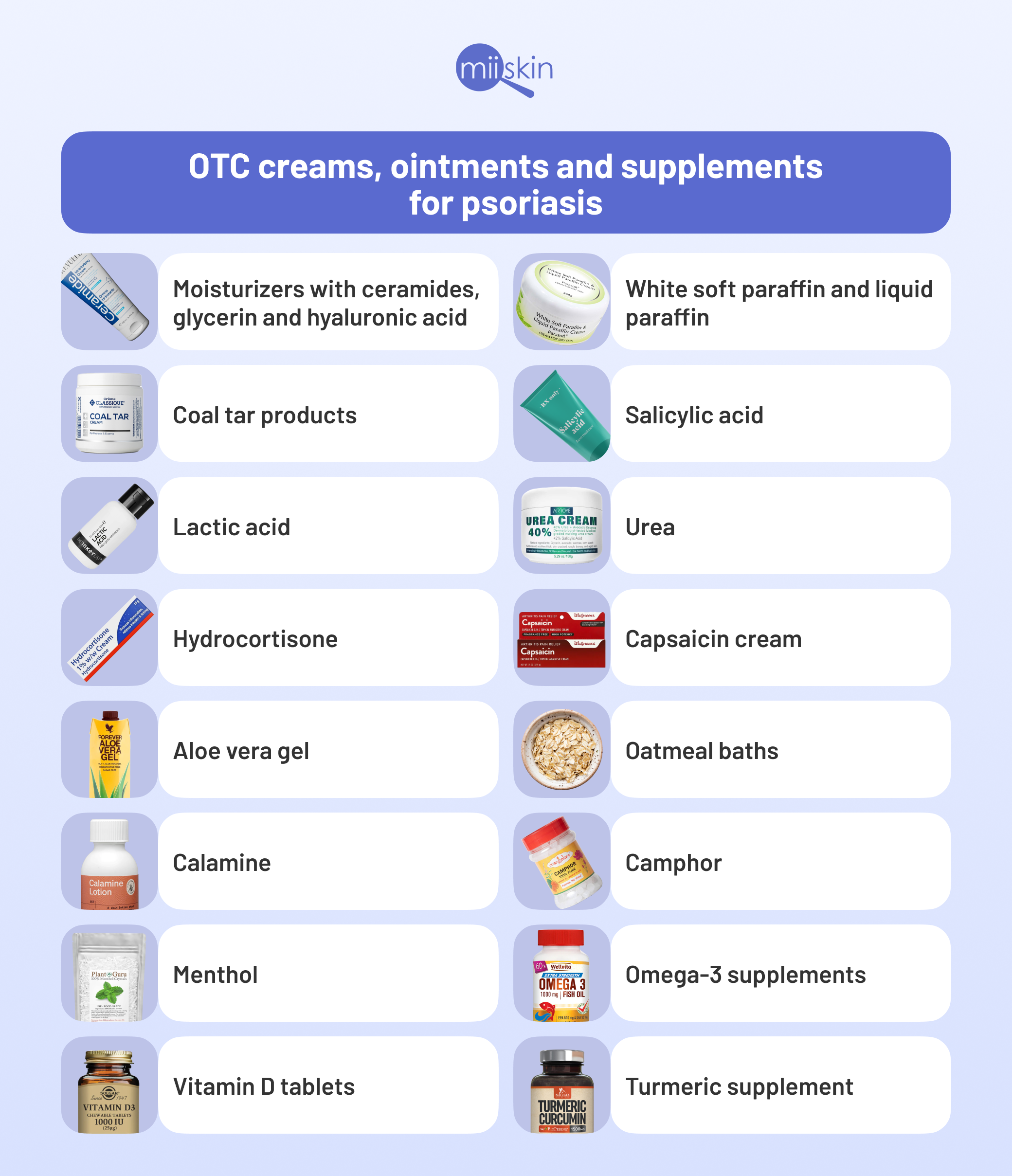
Over-the-counter creams are available without a prescription. They often contain ingredients like salicylic acid or coal tar. These help remove scales and calm irritation. Moisturizing creams with ingredients like aloe vera also provide relief. OTC options are good for mild cases or daily care.
Prescription Choices
Prescription creams are stronger and more targeted. They include corticosteroids that reduce inflammation quickly. Vitamin D analogs slow skin cell growth. Some creams combine both for better effect. These creams need a doctor’s advice and careful use to avoid side effects.
Natural And Organic Alternatives
Natural creams use plant-based ingredients. Coconut oil, shea butter, and tea tree oil are common. These creams soothe and hydrate without harsh chemicals. They suit sensitive skin and those who prefer eco-friendly products. Natural options can be used alongside other treatments.
Potential Side Effects And Precautions
Using creams for psoriasis can help control symptoms and soothe the skin. Still, some creams may cause side effects. Knowing these effects helps keep treatment safe and effective. Taking precautions can reduce risks and protect your skin health.
Common Reactions
Some creams may cause redness or burning at the application site. Itching and dryness can also occur. In rare cases, swelling or rash may develop. These reactions usually appear soon after applying the cream. Mild irritation often improves with continued use or stopping the product.
Topical steroids may thin the skin if used too long. Some creams can cause skin discoloration. Allergic reactions, though uncommon, can happen. Watch for unusual changes in the skin or discomfort.
When To Seek Medical Advice
Contact a doctor if irritation worsens or spreads. Seek help if swelling or severe rash appears. Difficulty breathing or swelling of the face signals an emergency. Persistent itching or pain needs medical evaluation. Also, consult a doctor if the cream does not improve symptoms after weeks.
Always follow the instructions on the cream label or from your healthcare provider. Do not apply more than recommended. Avoid using creams on broken or infected skin unless directed by a doctor.
Lifestyle Changes To Support Treatment
Managing psoriasis needs more than creams. Lifestyle changes help support treatment and reduce flare-ups. Small daily habits can improve skin health and overall well-being. These changes work well with topical creams to ease symptoms.
Diet And Nutrition
A balanced diet can calm inflammation. Eat more fruits, vegetables, and whole grains. These foods give your body vitamins and antioxidants. Avoid processed foods, sugar, and red meat. Drink plenty of water to keep skin hydrated. Healthy eating supports your immune system and skin health.
Stress Management
Stress can worsen psoriasis symptoms. Find simple ways to relax each day. Try deep breathing, meditation, or gentle exercise like walking. Good sleep is also important for stress control. Reducing stress helps your skin heal faster and lowers flare-up risk.
Skin Care Routine
Gentle skin care protects sensitive skin. Use mild, fragrance-free cleansers and moisturizers. Apply creams right after bathing to lock in moisture. Avoid hot water and harsh scrubbing, which can irritate skin. Regular moisturizing keeps skin soft and reduces itching.
Credit: miiskin.com
Frequently Asked Questions
What Are The Most Effective Creams For Psoriasis?
Effective creams for psoriasis often contain corticosteroids, vitamin D analogs, or moisturizers. They reduce inflammation, itching, and scaling. Popular options include calcipotriene, betamethasone, and coal tar. Choosing the right cream depends on your psoriasis type and severity.
How Do Psoriasis Creams Help Manage Symptoms?
Psoriasis creams soothe skin, reduce redness, and slow cell growth. They provide hydration and relieve itching. These creams improve skin appearance and comfort. Consistent use enhances treatment effectiveness and reduces flare-ups.
Can Natural Creams Treat Psoriasis Effectively?
Natural creams with ingredients like aloe vera, coconut oil, and turmeric may soothe mild psoriasis symptoms. They hydrate skin and reduce inflammation. However, natural creams might not be strong enough for severe psoriasis. Always consult a doctor before use.
How Often Should I Apply Psoriasis Cream?
Apply psoriasis cream as directed by your healthcare provider, usually once or twice daily. Consistent application enhances treatment results. Avoid overuse to prevent side effects. Follow instructions carefully for best symptom control.
Conclusion
Choosing the right cream helps control psoriasis symptoms daily. Consistent use soothes itching and reduces redness effectively. Ingredients like moisturizers and steroids often provide relief. Everyone’s skin reacts differently; patience is key. Talk to a doctor to find the best option.
Healthy skin care habits support long-term management. Remember, small steps lead to better skin health. Keep trying until you find what works best. Your comfort and confidence matter most in this journey.
Leave a Reply