

If you’re struggling with the constant itch and discomfort of eczema, you know how frustrating it can be to find relief. That relentless urge to scratch can disrupt your day and even your sleep. Best Anti-Itch Creams for Eczema can really help you out.
But what if the right cream could calm your skin quickly and effectively? You’ll discover the best anti-itch creams designed specifically to soothe eczema, reduce redness, and give your skin the care it needs. Keep reading to find the perfect solution that can help you take back control and feel comfortable in your own skin again.
Causes Of Eczema Itch
Eczema itch can feel unbearable. Understanding what causes this itch helps in managing it better. The itch comes from several factors that affect your skin and body response. These include triggers around you, damage to your skin, and how your body reacts inside. Each factor plays a role in the itching sensation.
Common Triggers
Many things can trigger eczema itch. These include soaps, detergents, and harsh fabrics. Weather changes, like cold or dry air, also make skin itchy. Stress and allergies can worsen the itch too. Avoiding these triggers can reduce flare-ups.
Skin Barrier Breakdown
The skin barrier protects your body from irritants and moisture loss. In eczema, this barrier breaks down. Skin becomes dry and cracked. This lets irritants enter and causes more itching. Keeping skin hydrated helps repair the barrier.
Inflammatory Responses
Your body reacts to irritants with inflammation. This inflammation causes redness, swelling, and itchiness. Immune cells release chemicals that trigger the itch sensation. Anti-inflammatory creams can calm this reaction and ease itching.
Credit: www.cerave.com
Key Ingredients In Anti-itch Creams
Anti-itch creams for eczema contain specific ingredients that help calm skin and reduce discomfort. Understanding these key ingredients can guide you to choose the best product for relief. Each ingredient works in a unique way to soothe itchy and irritated skin.
Hydrocortisone
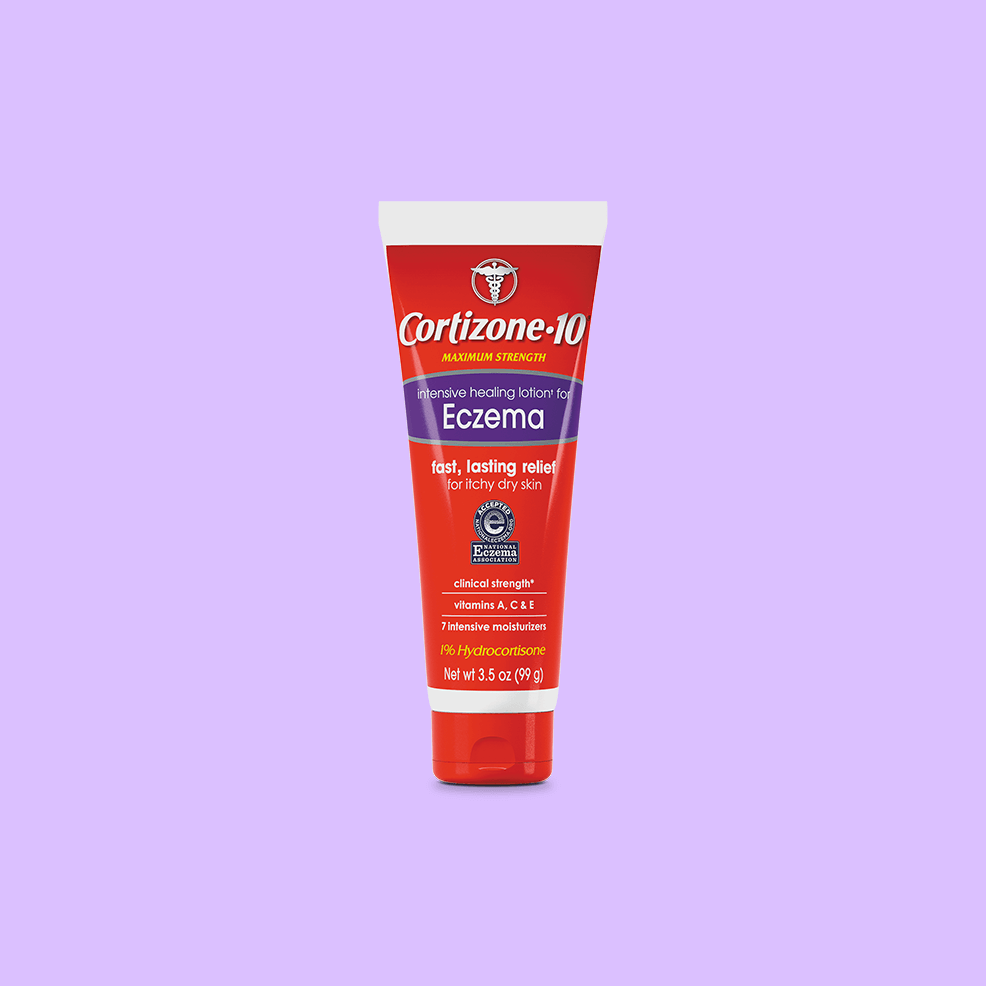
Hydrocortisone is a mild steroid that reduces inflammation quickly. It helps lower redness and itching. Many anti-itch creams use hydrocortisone for fast eczema relief. Use it only as directed to avoid side effects.
Calamine
Calamine has a cooling effect that soothes irritated skin. It helps dry out oozing eczema patches. Calamine also reduces itchiness and mild swelling. It is gentle and safe for most skin types.
Colloidal Oatmeal
Colloidal oatmeal is finely ground oats that relieve skin irritation. It forms a protective barrier on the skin. This ingredient locks in moisture and calms itchiness. Many people with eczema find it very helpful.
Ceramides
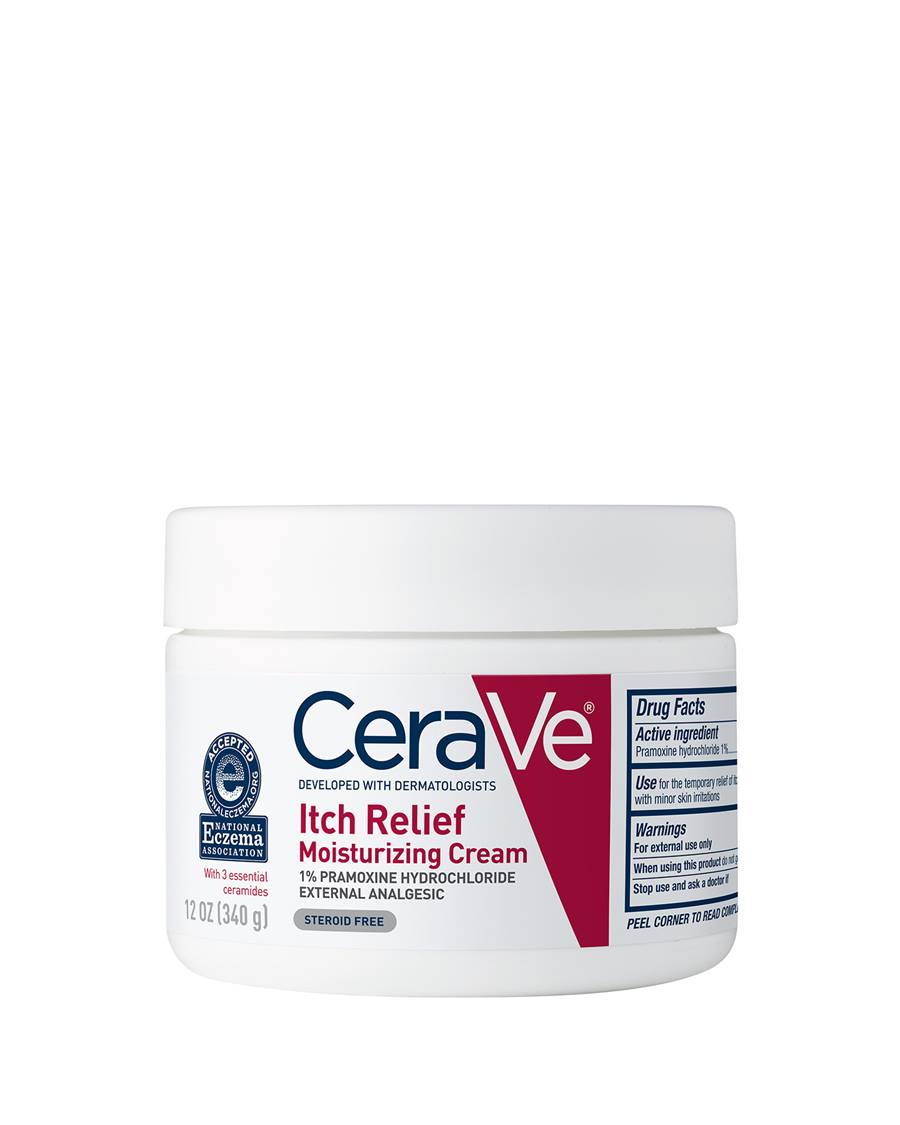
Ceramides are natural fats that restore the skin’s barrier. They help keep skin hydrated and healthy. Ceramide creams protect against dryness and irritation. Using ceramides supports skin healing over time.
Natural Soothers
Natural soothers like aloe vera and chamomile calm irritated skin. These ingredients reduce redness and provide gentle relief. They work well alongside other anti-itch components. Natural soothers are a good option for sensitive skin.
Top Over-the-counter Creams
Top over-the-counter creams offer quick relief for eczema itch. These creams reduce inflammation and calm irritated skin. They help you manage symptoms without a prescription. Many options suit different skin types and severity levels. Choose the right cream to ease your discomfort effectively.
Best For Severe Itch
Creams with hydrocortisone work well for strong itching. They reduce swelling and redness fast. Use these creams only for short periods. Overuse can harm your skin. Always follow the instructions on the package carefully.
Gentle Options For Sensitive Skin
Look for creams with natural ingredients like aloe vera. These soothe skin without harsh chemicals. They hydrate and protect delicate skin gently. Fragrance-free creams reduce the chance of irritation. These are good for daily use on sensitive skin.
Affordable Choices
Many budget-friendly creams provide good itch relief. Look for brands that combine moisturizing and anti-itch properties. Simple formulas often work well without extra cost. These creams are easy to find in drugstores or supermarkets. They help manage eczema without breaking the bank.
Credit: www.cortizone10.com
Prescription Creams Worth Trying
Prescription creams can provide strong relief from eczema itch. These medicines are made to reduce inflammation and calm irritated skin quickly. Doctors often recommend them when over-the-counter creams do not work well enough. Choosing the right prescription cream depends on the eczema type and severity.
Several types of prescription creams are effective. Each works in a different way to soothe the skin and stop itching. Understanding these options helps you find the best treatment for your eczema.
Topical Steroids
Topical steroids are the most common prescription creams for eczema. They reduce redness and swelling fast. These creams come in different strengths. Mild steroids are for sensitive areas like the face. Stronger steroids treat thicker skin on hands or feet.
Use them exactly as the doctor advises. Too much steroid cream can thin the skin or cause other problems. Short-term use is safe and often very helpful.
Calcineurin Inhibitors
Calcineurin inhibitors are an alternative to steroids. They control the immune system’s overreaction in eczema. These creams help reduce inflammation and itching. They do not cause skin thinning.
Doctors usually recommend them for sensitive skin areas or long-term treatment. They are good for people who cannot use steroids often.
Newer Treatment Options
New creams for eczema itch are now available. Some contain ingredients that block specific immune signals. These treatments target the root cause of eczema inflammation. They offer relief with fewer side effects.
Doctors may suggest these newer options for tough eczema cases. They can be used alone or with other creams.
Application Tips For Maximum Relief
Applying anti-itch creams properly helps ease eczema symptoms faster. Correct use boosts cream effects and protects your skin. Follow these tips to get the most relief from your cream.
When To Apply
Apply cream right after washing the affected area. Skin stays damp then, locking in moisture. Use cream before bedtime to calm itch overnight. Reapply after sweating or swimming to keep skin protected. Don’t wait for itch to get worse. Apply at first signs of flare-up.
How Much To Use
Use a thin layer of cream on the eczema patch. Too much cream can cause irritation or waste product. Spread gently, don’t rub hard. Cover all itchy spots evenly. Follow the amount suggested on the product label or by your doctor.
Avoiding Side Effects
Test cream on a small skin area first. Watch for redness or swelling. Stop use if irritation occurs. Keep cream away from eyes and mouth. Use only on eczema spots, not on healthy skin. Do not share your cream with others to avoid infections.
:max_bytes(150000):strip_icc()/hlt-tier-3-primary-best-anti-itch-creams-ahuang-042-bec10e9929a94031ba7baa174b0795db.jpeg)
Credit: www.health.com
Lifestyle Changes To Reduce Itching
Managing eczema itch goes beyond creams. Simple lifestyle changes play a key role. These habits can help calm your skin and reduce flare-ups. Small daily steps bring big relief.
Moisturizing Routine
Keep your skin hydrated to stop itch. Use a gentle moisturizer twice daily. Apply right after bathing to lock moisture. Choose creams without fragrance or harsh chemicals. Consistency is essential for soothing dry skin.
Avoiding Irritants
Identify what triggers your eczema. Common irritants include soaps, detergents, and rough fabrics. Wear soft, breathable clothes like cotton. Avoid hot water during showers. These steps protect your skin barrier and ease itching.
Stress Management
Stress can worsen eczema symptoms. Practice calming activities like deep breathing or light exercise. Take breaks and get enough sleep. Relaxation helps reduce flare-ups and improves skin health.
Frequently Asked Questions
What Ingredients Should I Look For In Anti-itch Eczema Creams?
Look for hydrocortisone, colloidal oatmeal, ceramides, and aloe vera. These ingredients reduce inflammation and soothe itching effectively.
How Often Can I Apply Anti-itch Cream For Eczema Relief?
Apply the cream 1-3 times daily as directed. Overuse may cause skin irritation or thinning, so follow instructions carefully.
Are Natural Anti-itch Creams Effective For Eczema?
Yes, natural creams with ingredients like chamomile and calendula can soothe eczema. They are gentle but may work slower than medicated creams.
Can Anti-itch Creams Prevent Eczema Flare-ups?
While creams relieve symptoms, they do not prevent flare-ups. Use moisturizers and avoid triggers to reduce eczema occurrences.
Conclusion
Finding the right anti-itch cream helps ease eczema discomfort fast. Treating your skin gently supports healing and reduces flare-ups. Consistent use of recommended creams can improve skin health. Always choose products made for sensitive and dry skin types. Remember, relief takes time, so be patient and persistent.
Consult a doctor if symptoms worsen or do not improve. Healthy skin means less itching and better daily comfort. Keep your skin clean and moisturized to prevent irritation. Small steps lead to big changes in eczema care.
Leave a Reply