

If you want to turn back the clock on your skin, retinol creams can be your best ally. These powerful products work deep to reduce wrinkles, smooth fine lines, and give your skin a fresh, youthful glow.
But with so many options out there, how do you choose the right one for your unique skin? You’ll discover the best retinol creams that actually deliver results. Keep reading, and soon you’ll know exactly which product can help you look and feel younger every day.
Table of Contents

Credit: www.youtube.com
Why Retinol Works
Retinol is a popular ingredient in many anti-aging creams. It works by helping your skin renew itself faster. This makes your skin look younger and healthier. Retinol also improves skin texture and tone. Understanding why retinol works can help you choose the best product for your skin.
How Retinol Fights Aging
Retinol speeds up cell turnover. This means old skin cells fall away quickly. New skin cells replace them, making your skin smoother. It also boosts collagen production. Collagen keeps skin firm and tight. As we age, collagen decreases, causing wrinkles. Retinol helps slow this process, reducing fine lines and wrinkles.
Benefits Beyond Wrinkle Reduction
Retinol does more than fight wrinkles. It fades dark spots and evens skin tone. It helps unclog pores, reducing acne and blackheads. Retinol also improves skin hydration and brightness. These benefits make skin look fresh and glowing. Using retinol regularly can improve overall skin health.
Choosing The Right Retinol Cream
Choosing the right retinol cream plays a big role in anti-aging skincare. The right product helps reduce wrinkles and smooth the skin. The wrong one can cause irritation and redness. Understanding your skin and product details makes a big difference. Here are key points to help pick the best retinol cream for you.
Retinol Concentration Levels
Retinol creams come in different strengths. Low concentrations, like 0.25% or 0.3%, suit beginners. They help skin adjust without strong side effects. Higher levels, such as 1%, work faster but may cause irritation. Start with a low concentration and increase slowly. This approach keeps skin calm and healthy.
Skin Type Considerations
Skin type affects how retinol works. Dry skin needs creams with extra moisture. Oily skin benefits from lighter, gel-based formulas. Sensitive skin calls for gentle, low-strength retinol products. Normal skin can usually handle medium-strength creams. Match the cream to your skin type for best results.
Ingredients To Avoid
Some ingredients worsen skin sensitivity with retinol. Avoid alcohol, fragrances, and strong acids. These can dry out or irritate the skin. Look for creams with soothing ingredients like glycerin or hyaluronic acid. These support skin health and reduce redness. Check the label carefully before buying.
Top Retinol Creams For Sensitive Skin
Sensitive skin needs special care, especially with retinol creams. Many retinol products can cause redness or irritation. Choosing creams made for sensitive skin helps prevent these issues. These creams offer effective anti-aging benefits without harsh effects. They balance strength and gentleness, making retinol safe for daily use. Here are some key features of the best retinol creams for sensitive skin.
Gentle Formulations
Gentle retinol creams use lower retinol concentrations. This reduces the chance of skin irritation. They often combine retinol with milder ingredients. These formulations avoid harsh chemicals or fragrances. They allow skin to adjust slowly to retinol. Creams with encapsulated retinol release it over time. This steady release minimizes redness and dryness. Gentle creams are ideal for beginners or those with delicate skin.
Soothing Additives
Soothing additives calm the skin and reduce irritation. Common ingredients include aloe vera, chamomile, and niacinamide. These help hydrate and repair the skin barrier. They also reduce inflammation and redness. Some creams include ceramides to strengthen skin protection. These additives improve comfort while using retinol. They support skin health and make anti-aging care easier. Soothing ingredients create a balanced formula for sensitive skin.
Best Retinol Creams For Dry Skin
Retinol creams help reduce wrinkles and fine lines by boosting skin cell renewal. Dry skin needs special care when using retinol. Some retinol products can cause dryness or irritation. Choosing the right cream with hydrating ingredients is key. These creams nourish and protect dry skin while offering anti-aging benefits.
Hydrating Ingredients
Dry skin requires moisture to stay healthy and smooth. Retinol creams with hyaluronic acid help lock in water. Glycerin is another ingredient that draws moisture to the skin. Look for creams with ceramides to repair the skin barrier. Ingredients like shea butter and squalane add extra softness. These components reduce dryness and irritation from retinol use. They keep skin comfortable and glowing.
Cream Vs. Serum
Creams have a thicker texture and more moisturizing ingredients. They are better for dry skin because they hydrate deeply. Serums have a lighter feel and higher retinol concentration. Serums may cause more dryness and need extra moisturizer. For dry skin, creams are gentler and less irritating. A cream can provide steady retinol benefits with hydration. Pick a product that fits your skin’s needs and routine.
Retinol Creams For Oily And Acne-prone Skin
Retinol creams can help reduce signs of aging and improve skin texture. Oily and acne-prone skin types need special care with retinol products. The right creams reduce oil without clogging pores. They help clear acne while smoothing wrinkles.
Choosing a retinol cream designed for oily skin prevents breakouts and irritation. These creams balance oil production and calm inflammation. A proper retinol product supports healthy skin renewal and fights aging.
Non-comedogenic Options
Non-comedogenic retinol creams do not block pores. This feature is vital for acne-prone skin. Creams with this label reduce the risk of new pimples. They allow skin to breathe while delivering retinol benefits.
Look for lightweight, oil-free formulas with gentle ingredients. These creams absorb quickly and leave no greasy residue. Using non-comedogenic retinol helps keep skin clear and smooth.
Balancing Oil Production
Retinol can help regulate oil glands and reduce excess shine. It controls sebum without drying out the skin. Balanced oil levels lower the chance of clogged pores and acne.
Some retinol creams include soothing agents to calm oily skin. These ingredients prevent irritation and support a healthy skin barrier. Regular use improves skin texture and reduces breakouts.
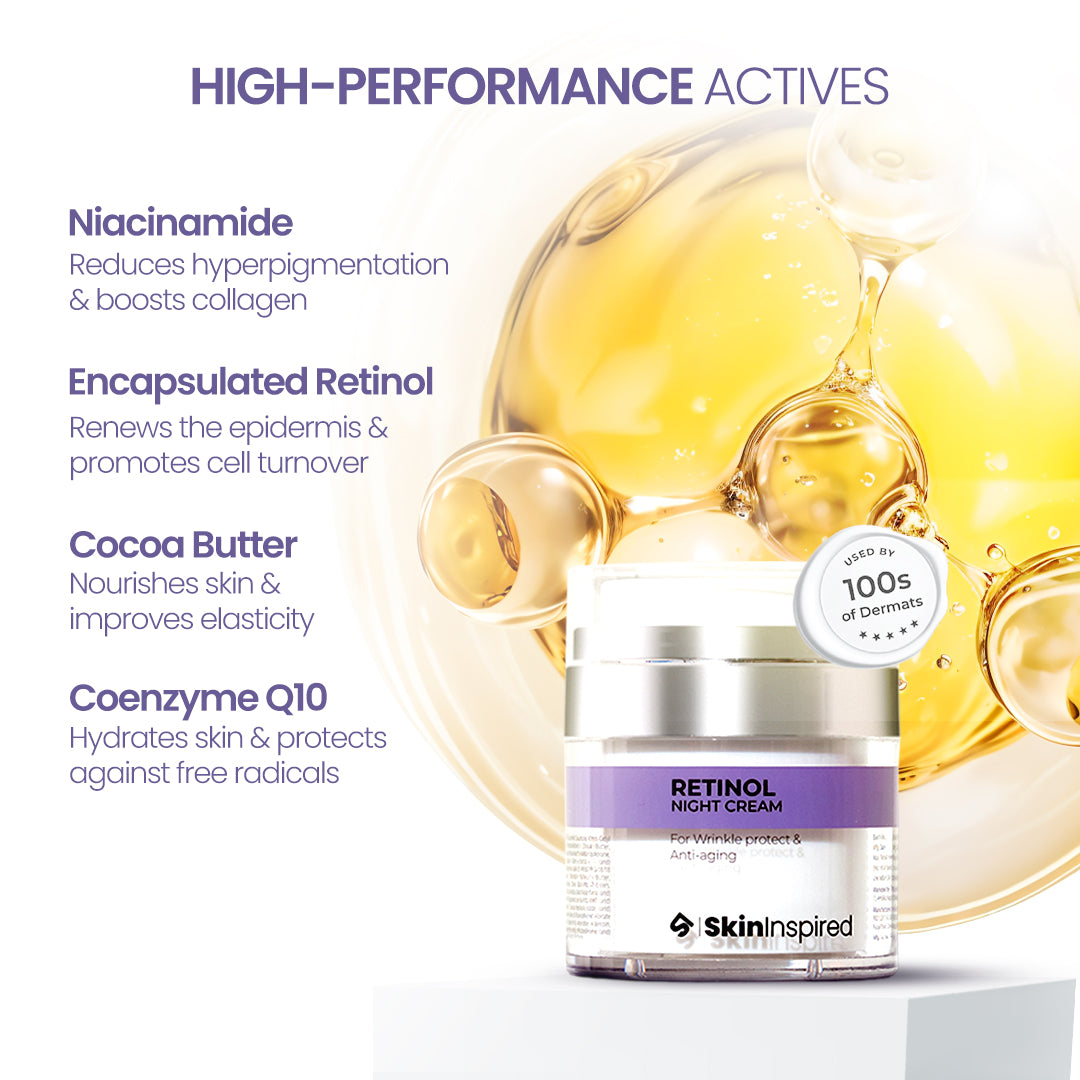
Credit: skininspired.in
How To Incorporate Retinol Into Your Routine
Adding retinol to your skincare routine can bring great anti-aging benefits. It works to reduce wrinkles, smooth skin, and boost collagen. But retinol can also cause irritation if used too fast or wrong. Follow simple steps to use it safely and effectively. Learn how to start, mix with other products, and apply at night.
Starting Slow
Begin with a low concentration of retinol cream. Use it just two times a week at first. Watch your skin’s reaction carefully. If no irritation appears, increase use to every other night. Give your skin time to adjust. This helps avoid redness and peeling.
Combining With Other Products
Do not mix retinol with strong acids like AHAs or BHAs. These can cause dryness and irritation. Use gentle cleansers and moisturizers instead. Wait 20 minutes after cleansing before applying retinol. Always follow with a hydrating moisturizer to reduce dryness.
Nighttime Application Tips
Apply retinol only at night. Sunlight breaks down retinol and lowers its effect. Use a pea-sized amount for the whole face. Avoid sensitive areas like eyes and lips. Finish with a moisturizer to keep skin soft. In the morning, use sunscreen to protect your skin.
Common Side Effects And How To Manage Them
Retinol creams are powerful for anti-aging but may cause some side effects. Knowing these common issues helps you use retinol safely. Managing side effects ensures your skin stays healthy and smooth.
Irritation And Redness
Retinol can cause irritation, redness, or dry patches. These effects happen because your skin adjusts to the product. Start with a low concentration to reduce irritation. Apply retinol every other night to give your skin time to heal. Use a gentle moisturizer after applying retinol. Avoid harsh cleansers or exfoliants that can worsen irritation.
Sun Sensitivity
Retinol makes your skin more sensitive to sunlight. This can lead to sunburn and damage. Always apply sunscreen with at least SPF 30 during the day. Wear hats and protective clothing when outside. Avoid direct sun exposure, especially between 10 a.m. and 4 p.m. Using retinol at night helps minimize sun sensitivity issues.
When To Consult A Dermatologist
Seek help if irritation lasts more than two weeks. See a dermatologist if redness or peeling is severe. Stop using retinol if you experience swelling or pain. A skin expert can recommend the right product strength. They can also suggest alternative treatments for sensitive skin.
Expert Tips For Maximizing Retinol Benefits
Retinol creams offer many benefits for aging skin. To get the best results, follow expert advice. Simple habits can improve how retinol works on your skin. These tips help reduce irritation and boost anti-aging effects.
Consistency Is Key
Use retinol cream regularly. Skipping days lowers its effectiveness. Start slow and apply a small amount. Let your skin get used to it. Over time, increase usage as your skin adapts. Consistent use helps fade wrinkles and fine lines.
Using Sunscreen Daily
Retinol makes skin more sensitive to sunlight. Always wear sunscreen during the day. Choose a broad-spectrum sunscreen with at least SPF 30. Reapply every two hours if you stay outside. Sunscreen protects your skin and keeps retinol working well.

Credit: 167.99.183.88
Frequently Asked Questions
What Are The Benefits Of Retinol Creams For Aging Skin?
Retinol creams boost collagen production, reduce wrinkles, and improve skin texture. They also fade age spots and brighten dull skin, making it look youthful.
How Often Should I Use Retinol Cream For Best Results?
Start with 2-3 times weekly, then increase to nightly use. Consistency is key to seeing anti-aging benefits without irritation.
Can Retinol Creams Cause Skin Irritation Or Dryness?
Yes, initial irritation and dryness are common. Use a moisturizer and start slowly to minimize side effects.
Which Ingredients Complement Retinol In Anti-aging Creams?
Hyaluronic acid, peptides, and antioxidants work well with retinol. They enhance hydration, repair, and protect skin from damage.
Conclusion
Choosing the right retinol cream can improve your skin’s look. Regular use helps reduce wrinkles and fine lines. Start with a small amount to avoid irritation. Be patient; results take time to appear. Protect your skin with sunscreen every day.
Consistency is key for anti-aging benefits. Healthy skin feels smoother and looks brighter. Try different creams to find what suits you best. Keep your skincare simple and steady. Healthy habits support youthful, glowing skin.
Leave a Reply