Are you ready to transform your skin and feel confident every day? The secret lies in a simple, effective skincare routine using face creams that work for you.
With just seven easy steps, you can unlock glowing, healthy skin without spending hours or trying countless products. Keep reading, and you’ll discover how to make your skin look and feel its best—starting now. Your best skin is closer than you think.
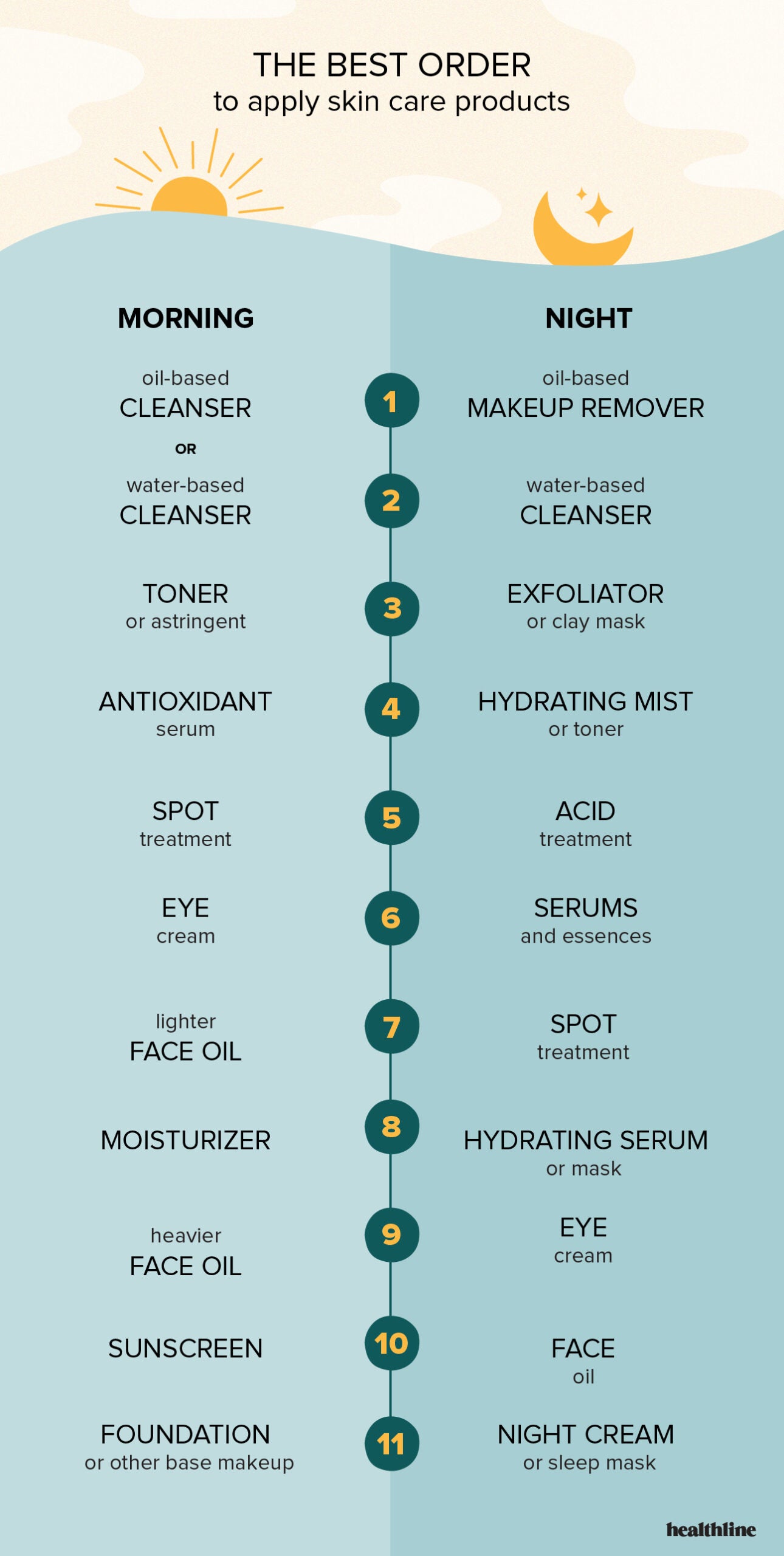
Credit: www.healthline.com
Choose The Right Face Cream
Choosing the right face cream is key to a good skincare routine. It helps keep your skin healthy and glowing. Not all creams suit every skin type. Picking the right one means knowing your skin and needs.
Face creams work differently based on their ingredients and purpose. Some protect during the day, others heal at night. Understanding these details ensures your skin gets the best care.
Identify Your Skin Type
Knowing your skin type guides your cream choice. Skin can be oily, dry, combination, or sensitive. Oily skin needs lighter creams that do not clog pores. Dry skin requires richer creams with extra moisture. Combination skin benefits from balanced formulas. Sensitive skin calls for gentle, fragrance-free options.
Select Ingredients For Your Needs
Ingredients affect how a cream works. Hyaluronic acid hydrates and plumps skin. Vitamin C brightens and fights dark spots. Retinol helps with aging and texture. Aloe vera soothes irritation. Look for ingredients that match your skin’s needs. Avoid harsh chemicals that can cause damage.
Day Cream Vs. Night Cream
Day creams protect skin from sun and pollution. They usually contain SPF and antioxidants. Night creams focus on repair and hydration. They have richer textures and active ingredients. Use day cream in the morning and night cream before bed. Both have different roles for healthy skin.
Cleanse Thoroughly
Cleaning your face well is the first step in any skincare routine. Dirt, oil, and makeup build up on your skin every day. Removing these helps your skin breathe and absorb creams better. A good cleanse sets a strong base for the next steps in your routine.
Skipping or rushing this step can cause clogged pores and dull skin. Gentle cleansing protects your skin while cleaning deeply. Let’s explore how to choose the right cleanser and the double cleansing method.
Pick A Gentle Cleanser
Choose a cleanser that suits your skin type. Dry skin needs a creamy, moisturizing cleanser. Oily skin benefits from a foaming or gel cleanser. Sensitive skin requires a fragrance-free, mild formula.
A gentle cleanser removes dirt without stripping natural oils. Avoid harsh soaps that leave your skin tight or red. Wash your face twice a day, morning and night, for best results.
Double Cleansing Method
Double cleansing means washing your face twice to clean deeply. Start with an oil-based cleanser to remove makeup and sunscreen. Follow with a water-based cleanser to clear sweat and dirt.
This method ensures no residue blocks your pores. It also helps your face creams work better. Double cleansing is easy and effective for all skin types.
Exfoliate Regularly
Exfoliating is an important step in any skincare routine. It helps remove dead skin cells from your face. This makes your skin look fresh and smooth. Exfoliation also helps your face creams absorb better. It can prevent clogged pores and reduce dullness.
Choosing the right type of exfoliant is key to healthy skin. Using the wrong kind may cause irritation or damage. Let’s explore the main types and how often to exfoliate.
Physical Vs. Chemical Exfoliants
Physical exfoliants use small particles or brushes to scrub away dead skin. These can include scrubs with beads or textured cloths. They give immediate smoothness but can be harsh on sensitive skin.
Chemical exfoliants use acids or enzymes to dissolve dead skin cells. Common types are AHAs like glycolic acid and BHAs like salicylic acid. They work gently and improve skin texture over time.
Choose physical exfoliants for a quick scrub. Pick chemical ones for gentle, deep cleaning. Always consider your skin type before picking an exfoliant.
How Often To Exfoliate
Exfoliating too often can harm your skin. It may cause redness, dryness, and sensitivity. Most people benefit from exfoliating two to three times per week.
Dry or sensitive skin should exfoliate less, about once a week. Oily or acne-prone skin may need it more often, but no more than three times weekly.
Pay attention to how your skin feels after exfoliating. If it feels sore or irritated, reduce the frequency. Consistency is important for healthy skin, not overdoing it.
Credit: www.no7beauty.co.uk
Apply Toner
Applying toner is a key step in your 7-step skincare routine using face creams. Toner helps prepare your skin for better absorption of creams and other products. It removes leftover dirt and oil that your cleanser may miss. This step keeps your skin fresh and balanced, ready for the next part of your routine.
Benefits Of Toner
Toner tightens pores and makes your skin look smoother. It helps control oil and reduces shine. Toner also soothes irritation and redness. This step can add moisture and nutrients to your skin. It balances your skin’s pH, which keeps it healthy. Using toner regularly can improve the overall look of your skin.
Choosing Alcohol-free Options
Many toners contain alcohol, which can dry out your skin. Alcohol-free toners are gentle and safe for all skin types. They keep your skin hydrated without causing irritation. These toners often include calming ingredients like aloe or chamomile. Choose alcohol-free options to protect your skin’s natural oils. This choice supports soft, smooth, and healthy skin.
Use Serum For Targeted Care
Serums are powerful skincare products designed to address specific skin issues. They contain concentrated ingredients that work deeply. Using a serum helps target concerns like dryness, wrinkles, or dullness. Adding serum to your routine boosts the effects of your face cream.
Serums have lightweight textures. They absorb quickly and prepare your skin for better hydration. Applying serum before your cream locks in the benefits and enhances your skin’s health.
Types Of Serums To Consider
Choose a serum based on your skin needs. Hyaluronic acid serums add deep hydration for dry skin. Vitamin C serums brighten dull skin and even skin tone. Retinol serums help reduce fine lines and wrinkles. Niacinamide serums calm redness and improve texture. Pick one that suits your skin goals.
How To Layer Serum And Cream
Start with a clean face. Apply a small amount of serum to your skin. Gently pat it in using your fingertips. Let the serum absorb fully before moving on. Next, use your face cream to seal the serum in. This layering keeps your skin moisturized and nourished all day.
Remember, serum goes on first because it is lighter. Creams provide a protective barrier and lock in moisture. This simple step improves your skincare routine’s overall effectiveness.
Moisturize With Face Cream
Moisturizing with face cream is a key step in any skincare routine. It helps keep the skin soft, smooth, and hydrated. Face creams create a barrier that locks in moisture. This prevents dryness and protects the skin from outside elements. Choosing the right cream depends on your skin type and needs.
Proper application ensures the cream works well. Applying too much or too little can affect results. Timing also matters. Moisturizing right after cleansing helps the skin absorb the cream better. This step helps maintain healthy skin and a glowing complexion.
Proper Application Techniques
Start with clean hands. Use a small amount of face cream, about a pea size. Dab small dots on your cheeks, forehead, nose, and chin. Gently spread the cream using upward and outward strokes. Avoid pulling or stretching the skin. Don’t forget the neck area. Let the cream absorb fully before applying makeup or sunscreen.
Adjusting Amounts For Seasons
Skin needs change with seasons. Use a lighter cream in warm months. This prevents oily skin and clogged pores. In colder months, switch to a thicker cream. It offers better protection against dryness and cold wind. Adjust the amount too. Use less cream in summer and more in winter. This helps keep your skin balanced all year.
Protect Skin With Sunscreen
Protecting your skin with sunscreen is a crucial step in any skincare routine. Sunscreen shields your skin from harmful UV rays. These rays cause premature aging, dark spots, and increase skin cancer risk. Using sunscreen daily keeps your skin healthy and youthful. It works well with face creams to maintain moisture and protection.
Importance Of Daily Spf
Applying SPF every day prevents sun damage. Even on cloudy days, UV rays reach your skin. Daily sunscreen reduces wrinkles and sunspots. It also lowers skin cancer chances. SPF creates a barrier that blocks or absorbs UV rays. You need this protection to keep your skin smooth and safe.
Choosing The Right Sunscreen
Select sunscreen with broad-spectrum protection. It guards against both UVA and UVB rays. Pick an SPF of 30 or higher for daily use. Look for formulas that suit your skin type. For oily skin, use a lightweight, non-greasy sunscreen. For dry skin, choose moisturizing sunscreens. Reapply sunscreen every two hours when outside. This keeps your skin fully protected all day.

Credit: www.healthline.com
Frequently Asked Questions
What Are The Benefits Of A 7-step Skincare Routine?
A 7-step routine deeply cleanses, hydrates, and nourishes skin. It enhances skin texture, reduces dryness, and promotes a healthy glow. Consistency in these steps helps prevent breakouts and aging signs effectively.
How Do Face Creams Fit Into The Skincare Steps?
Face creams lock in moisture and protect skin. They seal the benefits of serums and treatments applied earlier. Using creams as the final step maintains hydration and improves skin barrier function.
Can I Customize The 7-step Routine For My Skin Type?
Yes, customize by choosing products suited to your skin type. Oily skin benefits from lightweight, non-comedogenic creams. Dry skin needs richer, moisturizing creams. Tailoring ensures effective results without irritation.
How Often Should I Apply Face Creams In Skincare?
Apply face creams twice daily, morning and night. Morning application protects skin throughout the day. Night application aids repair and hydration while you sleep.
Conclusion
Following these seven simple steps can improve your skin health. Use face creams daily to keep skin soft and hydrated. Consistency is key for seeing real results over time. Each step plays a role in protecting and nourishing your skin.
Remember to choose creams that suit your skin type. Healthy skin boosts your confidence and feels great. Start this routine today for a clearer, smoother complexion. Small changes make a big difference in your skincare journey.